
|
BHM Newsletter
Volume 8 Number 11
November 27, 2006
INSIDE BHM
This is our last issue for the year, so we'd like to take this opportunity to wish all our readers and their families a very Merry Christmas, or happy holiday of their choice, and a healthy and prosperous New Year.
New Issue
The January/February, 2007 issue has been shipped to the printer. It will arrive in your mailboxes in few weeks and at the newsstands a week or two later.
Leading off this issue is The modern day small family ranch by John Silveira. It's a must-read for anyone who's ever dreamed of being part of a cattle roundup.
Also in the coming issue you'll find:
- How to build a good fence for your homestead By Charles Sanders
- Are hydrogen-fueled cars pie-in-the-sky? By Jeffrey R. Yago, PE, CEM
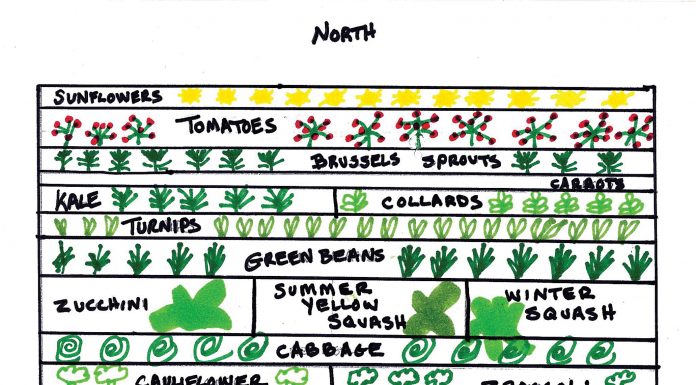
- The best city garden By Anita Evangelista
- The healthy kitchen—Not all fats are bad...but some will kill you By Richard Blunt
- The subtleties of safe firearms handling by Massad Ayoob
- and eleven other articles and features.
Write for BHM
There are many "kicks" in life, but none quite like seeing your name in print, especially as a by-line in a national magazine.
BHM is looking for new writers and you could be one of them. Whether you're a professional writer, and amateur author, or have never before even thought of writing an article for a magazine, if you have good, solid, how-to and/or self-reliance information to share, we want to encourage you to submit your article.
Interested? Then please read our Writer's Guidelines and start typing! We'll look forward to hearing from you.
SELF-RELIANCE TIPS
Winter Storm Preparedness And Safety
Do you know what to do if you are trapped in the middle of a blizzard?
If a Winter Storm Watch has been issued for your area, that means that hazardous winter weather conditions (such as snow greater than 6 inches in 12 hours) are expected in the next 12 to 36 hours. You should prepare for the worst now.
AT HOME OR WORK MAKE SURE YOU HAVE:
- A working flashlight
- A battery powered NOAA Weather Radio, radio, or TV
- Extra food, water, medicine, and baby items
- First aid supplies
- Heating fuel (propane, kerosene, fuel oil, etc.)
- Emergency heating source
- Fire extinguisher, smoke detector, and a carbon monoxide detector
IN CARS AND TRUCKS:
- Fully check and winterize your vehicle
- Keep your gas tank near full
- Try not to travel alone
- Let a friend or relative know your timetable for travel
- Carry a Winter Storm Survival Kit which contains:
- blankets/sleeping bags
- flashlight with extra batteries
- knife
- high calorie, non-perishable food
- a small can and water-proof matches to melt snow for drinking water
- sand
- shovel
- windshield scraper
- tool kit
- jumper cables
- water container
- compass
- road maps
ON THE FARM:
- Move animals to sheltered areas
- Haul extra feed to nearby feeding areas
- Have a water supply available (most animal deaths in winter storms are from dehydration)
If a Winter Storm Warning has been issued for your area, dangerous winter weather conditions are expected or are already occuring.
IF CAUGHT OUTSIDE:
- Find a dry shelter. Cover all exposed parts of the body.
IF STRANDED IN A CAR OR TRUCK:
- Stay in your vehicle!
- Run the motor about ten minutes each hour. Open the windows a little for fresh air to avoid carbon monoxide poisoning. Make sure the exhaust pipe is not blocked.
- Make yourself visible to rescuers:
- Turn on the dome light at night when running the engine
- Tie a colored cloth to your antenna or door
- Raise the hood after the snow stops falling
- Exercise to keep blood circulating and to keep warm.
AT HOME:
- Stay inside!
- If there is no heat:
- Close off unneeded rooms
- Stuff towels or rags in cracks under doors
- Cover windows at night
- Eat and drink non-alcoholic beverages. Food provides the body with energy and heat. Fluids prevent dehydration.
- Wear layers of loose-fitting, light-weight, warm clothing.
Courtesy of the National Weather Service
RECIPES
Interesting Appetizers For The Holidays
Cheesey Jalapeno Crescent Pinwheels
1 cup finely crumbled blue cheese
1/2 cup shredded monterey jack cheese
4 tablespoons cream cheese, softened
2 tablespoons mayonnaise
1 teaspoon minced fresh garlic
2 teaspoons, or more, to taste, minced jalapeno peppers
2 (8 ounce) cans refrigerated crescent dinner rolls
Heat oven to 375°F. Lightly grease baking sheets.
Mix together in a bowl,until blended, all ingredients except the crescent rolls.
Separate both cans of dough into four long rectangles. Press the perforations together to seal. Divide the cheese mixture into four parts and spread evenly over the four rectangles.
Starting at the short end, roll up each rectangle then pinch edges to seal. Cut each roll into 8 slices.
Place cut side down on the baking sheets. Bake for 12-15 minutes or until lightly golden brown.
Immediately remove from baking sheet. Let cool 3-4 minutes then serve warm.
Pecan Crusted Chicken Nuggets
2 chicken breast halves, free range/organic
Salt and pepper
1/4 cup mayonnaise
1/4 cup Creole mustard or a bold and spicy mustard
2/3 cup chopped pecans
8 to 12 parsley leaves
Lightly grease a baking sheet or line with a silicone baking mat or parchment paper. Heat the oven to 375°F.
Wash chicken and pat dry. Cut chicken into small chunks, about 3/4-inch in size; sprinkle lightly with salt and pepper.
In a bowl, combine the mayonnaise and mustard; stir to blend.
In a food processor, combine pecans and parsley; blend until fine. Transfer pecan crumbs to a shallow bowl or pie plate.
With a toothpick or small fork, dip the top of each chicken chunk in the mayonnaise-mustard mixture, and then press each chunk into the pecan mixture. Arrange chunks, pecan side up, on the prepared baking pan.
Bake the nuggets for 15 minutes, or until chicken is cooked through.
Crostini with Tapenade
Garlic-rubbed Crostini
1 loaf French bread
Extra virgin olive oil
Whole, peeled cloves garlic
Preheat the oven to 400°F.
Trim off the ends of the bread and cut crosswise into 1/4-inch-thick slices
Arrange the bread slices on the baking sheet and generously brush with olive oil. Turn the slices over and repeat brushing with olive oil.
Bake for about 6 minutes, turning the baking sheet around in the oven halfway throught the baking time to ensure even browning. Bake until lightly browned.
Cool crostini completely. When cool, cut garlic cloves in half and rub one or both sides of crostini with cut sides of garlic.
Tapenade
3/4 pound pitted black olives, well drained
3-4 anchovy fillets
2 tablespoons capers
1-2 teaspoon minced fresh garlic
6 sprigs fresh thyme leaves (leaves only)
1/4 cup extra virgin olive oil
2-3 teaspoons fresh lemon juice
1/2 teaspoon black pepper
Tabasco sauce or cayenne pepper
Place all the ingredients except the tabasco or cayenne in the food processor. Pulse a couple times to blend. Add in the olive oil and pulse a couple more times to form a coarse thick paste. Add Tabasco or cayenne pepper to taste and mix well.
Cover and chill a minumum of 6 hours before spooning on crostini.
Spiced Walnuts
2 cups walnuts
1 tablespoon peanut oil
2 teaspoons crushed dried rosemary
1 1/2 teaspoons salt
1/8 teaspoon cayenne pepper, or to taste
Preheat oven to 350°F. In a small bowl, combine walnuts with remaining ingredients. Arrange coated nuts in a single layer in a shallow roasting pan.
Roast about 10 minutes, shaking the pan occasionally, until browned.
Parmesan Wafers With Figs
2 cups freshly grated Parmesan or Pecorino Romano cheese
2 ripe figs, sliced, or 8 Medjool dates, sliced
2 tablespoons honey
Spray a nonstick skillet with cooking spray and heat over medium heat. Make two circles of Parmesan cheese on the skillet, each about 4" across, just thick enough so you can't see the bottom through it. This should take about 2 tablespoons of the cheese.
Cook on first side for 2 minutes, watching carefully, until the edges are golden. Carefully turn wafers and cook 1 minute longer. Gently flatten with spatula if they begin to curl or fold. Remove from pan and drain on paper towels. Repeat until all the cheese is used.
To serve, top each cheese wafer with some fig or date slices and drizzle with honey.
Bacon And Cream Cheese Stuffed Mushrooms
8 ounces cream cheese, softened
4-6 strips of bacon, fried and crumbled; reserve fat
1 small onion, finely chopped
20-25 large mushrooms, stems removed
8 mushroom stems, finely chopped
Saute onion and mushroom stems in bacon fat until tender. Drain off excess fat. Mix crumbled bacon, onion, and chopped stems with softened cream cheese until the mixture is workable.
Stuff each mushroom and bake at 350°F. for 10 to 15 minutes. Finish under the broiler just until tops are golden.
Corona Cheese Dip
12 ounces cheddar cheese, grated
8 ounces soft cream cheese
5 tablespoons salsa
1/2 cup Corona Extra beer
1 tablespoon lime juice
2 cloves fresh garlic
Hot sauce to taste
Chopped cilantro, red pepper, and/or onions for garnish
Tortilla chips
Blend grated cheddar cheese, cream cheese, salsa, Corona, lime juice, and garlic in a food processor or blender until smooth.
Add hot sauce to taste for extra flavor. Blend more.
Pour into serving bowl and garnish, if desired. Serve with tortilla chips.
Tasty Toothpick Appetizers
1/2 pound fully cooked kielbasa or Polish sausage, cut into 1/2-inch pieces
1 10 ounce jar red or green maraschino cherries, drained
1 5 ounce jar small green olives
1 8 ounce package processed cheese food, cubed
Onto each toothpick, place one piece of sausage, one cherry, one olive and one cube of cheese. The sausage should be on the bottom so the appetizers can stand up. Arrange them neatly on a plate.
Eat the entire contents of the toothpick at once, but don't eat the toothpick!
Chive Stuffed Chinese Pea Pods
24 fresh snow pea pods, trimmed
3 ounces cream cheese ,softened
2 tablespoons whipping cream
2 tablespoons chives, chopped
Blanch the pea pods in boiling, salted water for 30 seconds. Drain well and refresh in cold water, draining well again. Carefully slit open one side of each pea pod.
In a small bowl, mix together cream cheese, whipping cream, and chopped chives. Stuff the pea pods and serve.
HUMOR
Two women are new arrivals at the Pearly Gates and compare stories on how they died:
1st woman: I froze to death.
2nd woman: How horrible.
1st woman: It wasn't so bad. After I quit shaking from the cold, I began to get warm and sleepy and finally died a peaceful death. What about you?
2nd woman: I died of a massive heart attack. I suspected that my husband was cheating, so I came home early to catch him in the act. But instead, I found him all by himself in the den watching TV.
1st woman: So what happened?
2nd woman: I was so sure there was another woman there somewhere that I started running all over the house looking. I ran up into the attic and searched, and down into the basement. Then I went through every closet and checked under all the beds. I kept this up until I had looked every where, and finally I became so exhausted that I just keeled over with a heart attack and died.
1st woman: Too bad you didn't look in the freezer -- we'd both still be alive.
Some for the ladies...
Q. How many honest, intelligent, caring men in the world does it take to do the dishes?
A. Both of them.
Q. How does a man show that he is planning for the future?
A. He buys two cases of beer .
Q. What is the difference between men and government bonds?
A. The bonds mature.
Q. Why are blonde jokes so short?
A. So men can remember them.
Q. What do you call a woman who knows where her husband is every night?
A. A widow.
Q. Why are married women heavier than single women?
A. Single women come home, see what's in the fridge and go to bed. Married women come home, see what's in bed and go to the fridge.
He said . . .Shall we try swapping positions tonight?
She said . . . That's a good idea - you stand by the ironing board while I sit on the sofa and fart!
He said . . . What have you been doing with all the grocery money I gave you?
She said . . .Turn sideways and look in the mirror!
He said . . . Why don't you ever tell me when you enjoy making love?
She said . . . I would but you're never there.
 |
 |
Who says animals don't have a sense of humor.
 This animation is 444KB. Click on it to view in a new browser window. |
And finally, something else for the ladies...
Because A Man Couldn't Meet The Demands Of The Job...
I think Santa Claus is a woman....
I hate to be the one to defy sacred myth, but I believe he's a she. Think about it. Christmas is a big, organized, warm, fuzzy, nurturing social deal, and I have a tough time believing a guy could possibly pull it all off!
For starters, the vast majority of men don't even think about selecting gifts until Christmas Eve. It's as if they are all frozen in some kind of Ebenezerian Time Warp until 3 p.m. on Dec. 24th, when they - with amazing calm - call other errant men and plan for a last-minute shopping spree.
Once at the mall, they always seem surprised to find only Ronco products, socket wrench sets, and mood rings left on the shelves. (You might think this would send them into a fit of panic and guilt, but I hear it's an enormous relief because it lessens the 11th hour decision-making burden.) On this count alone, I'm convinced Santa is a woman. Surely, if he were a man, everyone in the universe would wake up Christmas morning to find a rotating musical Chia Pet under the tree, still in the bag.
Another problem for a he-Santa would be getting there. First of all, there would be no reindeer because they would all be dead, gutted and strapped onto the rear bumper of the sleigh amid wide-eyed, desperate claims that buck season had been extended. Blitzen's rack would already be on the way to the taxidermist.
Even if the male Santa DID have reindeer, he'd still have transportation problems because he would inevitably get lost up there in the snow and clouds and then refuse to stop and ask for directions.
Add to this the fact that there would be unavoidable delays in the chimney, where the Bob Vila-like Santa would stop to inspect and repoint bricks in the flue. He would also need to check for carbon monoxide fumes in every gas fireplace, and get under every Christmas tree that is crooked to straighten it to a perfectly upright 90-degree angle.
Other reasons why Santa can't possibly be a man:
- Men can't pack a bag.
- Men would rather be dead than caught wearing red velvet.
- Men would feel their masculinity is threatened...having to be seen with all those elves.
- Men don't answer their mail.
- Men would refuse to allow their physique to be described even in jest as anything remotely resembling a "bowlful of jelly."
- Men aren't interested in stockings unless somebody's wearing them.
- Having to do the Ho Ho Ho thing would seriously inhibit their ability to pick up women.
- Finally, being responsible for Christmas would require a commitment.
I can buy the fact that other mythical holiday characters are men.........
Father Time shows up once a year unshaven and looking ominous. Definite guy. Cupid flies around carrying weapons. Uncle Sam is a politician who likes to point fingers. Any one of these individuals could pass the testosterone screening test. But not St. Nick. Not a chance.
Oh well...as long as we have each other, good will, peace on earth, faith and Nat King Cole's version of "The Christmas Song," it probably makes little difference what gender Santa is. I just wish she'd quit dressing like a guy!!!
BONUS ARTICLE
Pass The Peas
By John C. Fisher
In our house, we have a special New Year’s Day meal that is as traditional for us as turkey and dressing is for Thanksgiving. This meal consists of a steaming bowl of peas served with hot corn bread. No, not the green or English peas many people think of when they hear a reference to peas. These are southern peas. I’m not sure of its origin, but there is a tradition that eating peas on New Year’s Day will assure good luck in the coming year. My dad would never let a New Year’s Day pass without a generous serving of peas. They are so tasty that it hasn’t been hard for me to perpetuate that practice. Good luck or not, peas certainly make a delicious dish any time of the year.
The group of plants referred to collectively as southern peas are members of the Leguminosae family. Their botanical name is Vigna sinensis. Sometimes this group is also called cowpeas or field peas. These plants are more closely related to beans than green or English peas. They enjoy a long history of furnishing highly nutritious food for mankind. They are so tasty, easy to grow, and easy to freeze that we make certain there are enough placed in the freezer each summer to carry us through until the next harvest. I can’t ever remember the farm garden I grew up with and still tend not producing an abundance of peas.
Peas made their way to the Americas aboard slave ships from Africa bound for Jamaica. They came to Africa from native wild plants in India. Peas had also been taken to China before recorded history. This crop was well adapted to the climate of the West Indies and southern United States. Historical records indicate that peas were being grown in North Carolina and Virginia in the 1700s.
Southern Peas can be grouped into several distinct types. These include: Black-eye--named for the black spot at point of seed attachment to the pod. This one of the most familiar types of southern peas. They are often marketed as canned or dry peas. Crowders--these are large seeded peas which are spaced so closely together in the pod that they have a flattened spot where they touch or “crowd” the adjacent pea. Purple hull--these are medium sized peas, their pods turn purple in color when ready to harvest. Cream--these are small, creamy white peas. There are a few other varieties which do not readily fit these categories or may fit two categories. For example, there are some crowders which also have a purple pod.
Varieties vary in their growth habit from bush which are compact with all the pods bunched above the foliage to vining types which produce long vigorous vines with the pods scattered throughout the vines. Semi-vine types are intermediate. They vine slightly but have most of their crop above the foliage.
Plant breeders have given us a large number of varieties of southern peas. Many of these also have disease resistance. My personal favorite is the Pinkeye Purple Hull. It is a semi-vine type with an outstanding flavor. This variety is a consistent producer and will provide an abundant crop of peas over several weeks. It is also resistant to the mosaic virus. Another variety I have grown is the Big Boy. These are large cream colored peas with an almost buttery flavor. The pods become yellowish when ready to harvest and contain 13-16 peas. The Zipper Cream is a large creamy white pea with a bush type growth habit. It is particularly easy to shell. Mississippi Silver is a large seeded brown crowder I have grown. It has 6 to 6 1/2 inch pods and a bush type growth and is also resistant to fusarium wilt and nematodes. There are numerous other varieties and it is always interesting to try a new one.
Peas are among the easiest vegetables to grow. Since they are legumes, peas are able to derive most of their nitrogen requirements through nitrogen fixation. Avoid excessive nitrogen application which will cause very vigorous vine growth with relatively light pod set. On garden soil that is at the proper pH level, an application of 7 pounds of 6-24-24 per 1000 square feet prior to planting should provide all the fertilizer necessary for a good crop of peas. I broadcast this amount over my garden in the spring and till it into the soil. Organic nutrient sources work equally well, but just don’t over do it with high nitrogen sources. Peas also do best on well drained soil. They can even thrive on very sandy soils which other vegetable plants do not tolerate well. A soil pH of 6-6.5 suits peas.
Southern peas are a warm weather crop. They can be successfully grown in most of the United States. They should not be planted until the soil is at least 60°F. I plant peas the second or third week of May in zone 6. This means I will begin harvesting peas in mid-July. Most varieties will be ready for harvest in 60 to 70 days after planting if growing conditions are favorable. I plant 3 to 4 seeds per foot of row and cover with about an inch of loose soil. In warm soil, peas germinate rapidly. I space rows three feet apart to accommodate my tiller. Rows can, however, be placed as close as 20 inches if space is limited.
There are relatively few pests that trouble peas. Usually most pests, both insect and disease can be avoided by waiting until warm weather before planting and by rotation. They are affected by some root rots caused by various fungus organisms such a fusarium. There are also some virus diseases but there are varieties resistant to many of these. Another problem is root-knot nematodes. These are microscopic round worms which cause swellings on the roots interfering with the plant’s ability to take up nutrients and water. Rotation is the best way to avoid this problem. The primary insect problems I have encountered in peas are the aphid and bean leaf beetle. Bean leaf beetles sometimes attack seedlings completely covering the leaves with small holes. Usually one application of carbaryl or Malathion will suffice. Aphids can also severely damage peas. Again, avoid planting in cool weather. I delay spraying for aphids if lady bugs are numerous. They will usually clean up an infestation in a short time. However, if a severe infestation is present, it may be necessary to spray with Malathion or an insecticidal soap. The cowpea curculio is another insect pest which sometimes attacks peas. I haven’t experienced a problem with this pest, however it is quite bothersome in some areas. The cowpea curculio is a small, black, weevil which “stings” the small pods, laying eggs inside. After hatching, the larva feed on the developing peas. They are difficult to control since the adults must be destroyed before laying eggs. Once eggs are laid control measures won’t help. Spraying with Malathion when pods are about one half inch long and weevils are present may be helpful.
Southern peas grow rapidly and are competitive with grass and weeds. Peas are quite drought tolerant, but supplemental watering during dry periods will keep the peas growing and provide larger harvests.
As with other vegetables, peas must be harvested at the proper stage to obtain peak flavor. Peas should be harvested at the mature green or “roasting ear stage.” If you haven’t eaten Southern peas in the “roasting ear” stage then you can’t fully appreciate how delicious they really are. They are nothing like the commercially canned and frozen offerings. At this stage, the seeds, like those of roasting ear sweet corn, are fully developed, but they haven’t begun to harden. They cook quickly and have an outstanding flavor. Once harvested, the peas can be shelled immediately or held overnight and shelled the next day. Waiting until the next day will make shelling easier. Southern peas are at their best when cooked immediately after shelling. However, they may be kept several days in the refrigerator after shelling. The immature pods can also be used. This is almost like getting two vegetables from one plant. Pick before the peas begin to grow in the pod for delicious “snap peas.” This is the same stage as snap beans. They may be sauteed and served alone or added to the peas as they are cooking. Cooking consists of simply putting the peas in a pan, adding a little water and margarine or butter, and heating until tender which only takes a few minutes. A slice of ham or bacon can also be cooked with them.
Southern peas are a highly nutritious vegetable. They are high in protein, fiber, and iron. They are low in fat.
Although peas are best when cooked fresh, they can also be preserved by canning or freezing. Peas may be canned in the same manner as green beans and other non-acid foods. Freezing is simply a matter of thoroughly heating them in water then draining, allowing to cool, and packaging in plastic bags.
Another way of adding peas to your food store is to wait until they are dry before harvesting. Dried, they may be kept just as you would Great Northern or other kinds of beans. Of course, cooking takes longer but they make a great addition to your food supply. No matter how you choose to keep them, put away plenty, not only for that New Year’s Day good luck dinner but to enjoy all the rest of the year as well.
OTHER STUFF
Did a friend or relative tell you about this newsletter? The Backwoods Home Magazine newsletter is free and all you need is an email address so we can let you know when each issue is published and where it can be found. Even better, we sometimes have special offers and discounts that are available only to BHM Newsletter subscribers. Your email address will never be sold, rented, loaned, given, or otherwise provided to any third party.
Just visit the BHM web site at www.backwoodshome.com and click on "Newsletter" in the navigation menu on the left side of any web page.
Contact Info:
Editor/Letters - Dave Duffy, editor@backwoodshome.com
Advertising Manager/Customer Service Contact - Evelyn Leach, evelyn@backwoodshome.com
Web Site - Oliver Del Signore, webmaster@backwoodshome.com
Backwoods Home Magazine
P.O. Box 712
Gold Beach, OR 97444
541-247-8900
|