
 |
|
| Issue #49 • January/February, 1998 |
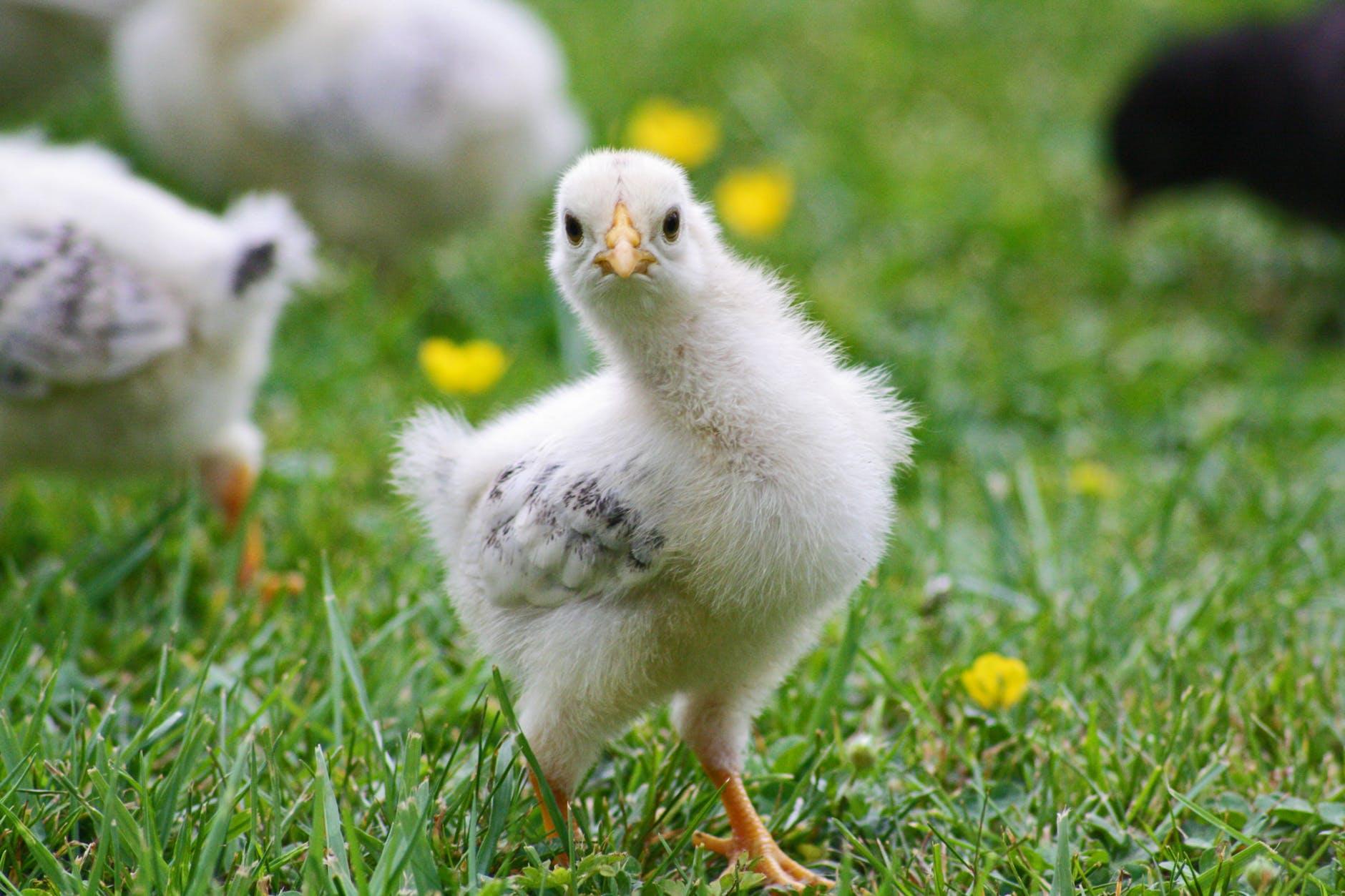
The domestic chicken, or Gallus domesticus as the Romans called it, has lived with humans for centuries. It is probably the descendent of a wild asian bird, and historians have found references to its domestic descendant in the art and literature of India, China, and southeast Asia as early as 3000 BC. Egyptians were managing large flocks of chickens by the Second Dynasty (2890 to 2680 BC), but for some reason did not record much about their accomplishments in the breeding and keeping of chickens. Greek writings, however, describe how Egyptians designed and built clay incubators with the capacity to incubate and brood 10,000 to 15,000 chicks at a time. Incubators with greater capacity have only existed in this country and western Europe for about 80 years.
It was sometime before the sixth century BC that the Egyptians and the Persians introduced the wonders of domesticated chickens to the Greeks. The Persians shared their talent for breeding Malayan and Indian jungle fowl, which were used primarily for cock fighting, while the Egyptians taught the Greeks how to successfully develop and maintain breeds for the production of eggs and meat. For the next 200 years, chickens became an indispensable element in Greek life. At first they were used primarily in religious ceremonies, folk medicine, and the popular sport of cock fighting. But by the third century BC, breeding chickens for egg laying and meat production had become a priority in Greek civilization.
The Greeks passed their knowledge of the chicken on to the Romans. It was in Rome that the chicken truly reached its apotheosis. There, it became a sacred bird, often used as the central figure of various methods of divination, apothecary, and as a serious subject for philosophical inquiry. In Rome, fighting cocks were trained like gladiators. They were fed garlic before they fought in the belief that it would increase their courage and ferocity. The Romans also believed that garlic had the same effect on men. The writings of Roman naturalists and philosophers elevated the chicken to an exalted position in urban civilization. They skillfully molded it into a genuine object of scientific scrutiny and philosophical inquiry. No longer would the chicken be a taken-for-granted resident of the barnyard or cockpit.
The chicken has always meant much more to people than a cheap meal. The cock, or rooster as we now call it, has long been respected, especially for its ferocity as a fighter. In ancient Syria, Borneo, and Sumatra the fighting cock was worshiped as a godan exalted status that usually saved it from becoming Sunday dinner. There was even a time in ancient Greece when cock fighting was considered a national sport. The Romans viewed the cock as a noble gladiator, and the cock fight was a solemn ceremony that reinforced their belief that men should be braveimitators of the cock.
Cockfighting came to its greatest secular popularity and refinement in late medieval England. The Church made vigorous efforts to repress it but only succeeded in driving it underground. As a compromise with the people, the Church did finally sanction organized cockfighting events on special days, such as Shrove Tuesday. One very popular Shrove Tuesday event was held in English grammar schools. The schoolmasters were paid a cock fee for allowing the children to bring their cocks to school, and all learning was suspended for the day as the desks and chairs were pushed aside to make room for the daylong contests. The student who owned the champion cock was excused from corporal punishment during Lent, along with one other student of his choice. At the end of the day the school master was presented with all of the cocks that were killed.
During the reign of Henry VIII, cock fighting flourished in England, exceeding even horse racing in popularity. James I, Charles II, And William the III were among other monarchs who were avid cockers. By the end of the 18th century, however, reformist doctrine started to take hold with the English majority. By 1835, cock fighting was reduced to the rank of a cruel and capricious sport and was, once again, driven underground.
In spite of being prohibited in England, after 1835 cockfighting found a new home in America. Ships that carried English settlers to America also carried chickens and fighting cocks. Cock fighting was frowned upon by the Puritans but it still flourished from New York to Georgia. Before and after the Revolution, New York was the center of cockfighting in the East. Here the sport was dominated by freed slaves and Irish immigrants.
Before long, the sport spread west and became most popular in areas settled by Southerners and the Irish. As in England, reformers moved quickly to force legislation to outlaw cock fighting but it soon became obvious that there was little sentiment for this type legislation on the national level, so the individual states were left to pass there own laws. But even on the state level, very little anticocking legislation was passed until early in the 20th century. While visiting friends in Florida, in 1971, I was surprised to find that cockfighting was still legal in that state.
Outlawing cockfighting in this country has had the same effect as Prohibition. As you read these words somewhere in this country, loyal members of a tight fraternity of cockers is gathering around a pit, anxiously waiting to place their bets on the outcome of the main event.
Cultural influence
The chicken has influenced our languages and cultures. From ancient times to the present, if two people look or act the same, they are said to be hatched from the same egg. The ancient Greeks compared poor writing to chicken scratches. Using the word chicken to describe a coward has been popular since Shakespeare’s time and the proverb, I would not have him count his chickens so soon before they hatched, was found in a collection of proverbs published in 1579.Superstitions surrounding chickens are also alive and well in both urban and rural areas. One superstition declares that there will be sickness in the house if a hen crows. Another claims that a farmer’s chickens will be like the first person who comes to his house on New Year’s morninga stout and prosperous person meant plump chickens while a poor meager person meant scrawny chickens.
Make a wish
Two people tugging on the magic clavicle, or wish bone, until it breaks, dates back almost 2,500 years to the ancient Etruscans. Chickens were kept in Etruscan temples to answer questions by pecking at corn kernels in a circle marked with letters of the alphabet. When the bird was through eating, a priest would enter the circle and interpret the results. When one of these sacred birds died, its collar bone was dried and believers were allowed to stroke it and make a wish. When the custom was passed to the Romans, people started tugging on the bone until it broke. The wish of the person holding the half containing the head would be granted. I’ve heard it suggested that the phrase, to get a lucky break, came from this ancient custom.
Before trained physicians came on the world scene in 18th century, chickens provided a living drug store of remedies for everyonerich and poor. In the practice of folk medicine, people were inclined to reach for a chicken to cure almost any malady of the body or the spirit. In ancient Greece, as well as other parts of the world, fever, arthritis, colic, dysentery, epilepsy, headache, constipation, and cough were all treated with various parts of the chicken. The remedies are endless and most are far too complicated and absurd to mention here. But some made sense and are still used today: a bowl of homemade chicken soup has always been, and probably always will be, prescribed as a comfort and cure for many maladies, real and imagined.
Mass production
The modern world, with its fast-paced industrial technology, has nearly turned the chicken into a man-made living machine, existing solely to lay eggs and be eaten.
The end of the chicken’s role as a sideline element of farm economy started to change near the end of the 19th century. Industrial technology was advancing at a rapid rate and the chicken, which was being increasingly marketed as a commodity, became the object of technological innovation. Today commercial poultry farms in the United States produce over six billion broiler chickens annually. The larger farms operate 10 or more chicken houses, each of which can hold more than 40,000 chicks. This fast paced production has made chicken inexpensive and easy to buy. As a result, the consumption of chicken in America has increased nearly 300 percent since 1900. Some complain that new hybridized chickens have little or no taste. I have noticed that the leg and thigh meat is not as dark as it was just a few years ago and not as strong tasting. But in some ways this is a plus because the mild flavored flesh can be seasoned and prepared just like veal, with excellent results at a fraction of the cost.
In the recipe section of this column I have selected recipes that demonstrate that chicken is still a flavorful protein and does not need a lot of seasoning to taste good. When flavor enhancers are used, they are meant to complement the subtle flavor of the chicken, not mask it.
The first two recipes are old time standards which, when prepared properly, will show you that chicken has not lost all of its flavor. The last recipe will demonstrate how chicken can support flavor enhancing, without losing its own subtle taste.
Basic chicken broth
Fresh chicken broth is one of the foundation ingredients in my kitchen. Without it, many of my favorite foods would be impossible to prepare. Most of the soups, stews, and casseroles I prepare are made using fresh chicken broth as a basic ingredient. Its mild flavor and delicate aftertaste also make it a perfect enhancer for adding flavor and body to vegetable, pasta, and bean dishes.
I seldom let my supply of fresh chicken broth run out, but it does happen. There is nothing difficult about making fresh chicken broth. Broths are simply the end product of slowly simmering meat, fresh vegetables, and herbs in lightly salted water. It takes about three hours to properly prepare a good chicken broth. But once you get the broth started, it requires little attention.
I rarely go through the bother of buying whole chickens and butchering them at home. When my supply of fresh broth runs low, I simply process a whole bird to replenish it. I don’t live in an area where dressed stewing hens are easy to find, so I use a five to six-pound roasting chicken, or capon instead. Both of these will produce five to six quarts of excellent chicken broth, and the leftover meat is used in a variety of recipes.
Once a month my mother would spend an entire Sunday afternoon making a two-gallon batch of fresh chicken broth to share with our elderly neighbors. She would then make something special for dinner using her fresh-made broth. I suggest we do the same, that is, set aside two quarts of this broth, when completed which we will use to prepare one of my mom’s best Sunday chicken specials.
Cool the rest of the broth in the refrigerator overnight. The fat will congeal on the surface of the broth, making it easy to remove. You can then pack the clear, fat-free broth in suitable size containers and store them in the freezer for future use.
Ingredients:
1 5 to 6 pound stewing hen or roasting chicken
6 quarts cold water
2 medium onions, peeled and cut into quarters
1 celery rib with leaves attached
1 whole carrot
2 bay leaves
8 whole black peppercorns
3 whole cloves
1 piece peeled fresh ginger about one inch long, chopped
1 tsp. Kosher salt
Method:
1. Place the chicken and the water in a 10- or 12-quart stockpot. Place the pot on the stove over a low flame and let the water come to a gentle boil. A froth will appear on top. This will take from 45 minutes to one hour. Carefully skim off the froth as it rises to the surface. Do not, for any reason, stir the pot after the froth first begins to appear.
2. The froth will continue to form on top of the broth for about an hour. When it stops foaming, let the broth simmer for about 30 minutes, then add the onions, celery, and carrot.
3. Let the pot return to a simmer while carefully skimming off any more sediment that rises to the surface. Add the bay leaves, peppercorns, whole clove, ginger, and salt.
4. Reduce the heat to a point where the broth is barely simmering. Continue to simmer, uncovered, for 1½ hours. If you are using a roasting chicken or capon, remove it at this point and let the stock simmer for another hour. If you are using an old stewing hen (fowl), leave it in the pot until the end.
5. Turn off the heat, remove the stewing hen, if necessary, and let the broth settle and cool.
6. Strain the broth into another pot through several layers of cheese cloth and place the pot in the refrigerator. This is the fastest and safest way to cool a perishable hot food like chicken broth. You can safely let the stock cool, unrefrigerated, for up to 90 minutes before placing it in the refrigerator. If you live in a northern climate, during the winter you can take a pot of hot stock on a cake rack and place it on your back porch for super-fast cooling.
Chicken and dumpling stew
On her recipe card my mom called this dish North Carolina chicken and dumpling stew. Since I have never come across a southern recipe that even remotely resembles this dish, I have removed North Carolina from the title. Regardless of its origin, this recipe truly demonstrates how the subtle richness of a homemade chicken broth, combined with the moist tender flesh of a properly cooked chicken, can elevate a simple dish to an epicure’s delight.
Raised Dumplings:
Dumplings hold a special place in almost every cuisine. Italian cooks make small dumplings, called gnocchi, with a variety of starches including common all purpose flour, potatoes, semolina flour, pumpkin, and cornmeal. They even make a dumpling using ricotta cheese. In Germany they make serviettenknödel, a tiny light dumpling that usually accompanies pot roasts. In western Austria they make kasnocken, a dumpling made with dry bread and flavored with aged local cheeses. Dumplings are also a large part of Chinese cuisine. On restaurant menus they are usually listed as dim sum and are served in a wide variety of steamed, boiled, and fried versions. Some special Chinese restaurants open just for lunch serve only dumplings and tea.
The dumplings used in this recipe develop a light, fluffy, texture when cooked, but they hold together when mixed with the other ingredients in the stew. If you are new to homemade dumpling recipes, I suggest you make the dumpling dough before you start the stew. It will hold well in the refrigerator until it is time for you to use it. Do not hold the dough for more than an hour. If you do, the baking powder will dissipate and the gluten in the flour will over-develop. This will turn your dumplings into slippery, tough hunks of boiled dough. If you are a fresh-dumpling pro, pick your own time during the preparation to make your dumplings. The closer to when you are going to incorporate them, the better.
Dumpling Ingredients:
1 cup all purpose flour
1½ tsp. double acting baking powder
¼ tsp. baking soda
½ tsp. Kosher salt
2 Tbsp. unsalted butter
2 medium eggs, slightly beaten
1/8 cup buttermilk or low fat plain yogurt
Method:
1. Combine the flour, baking powder, baking soda, and salt in a bowl and stir until well blended.
2. Cut in the unsalted butter with a pastry blender until the flour resembles course corn meal.
3. Combine the slightly beaten eggs with the buttermilk or yogurt. Using a wooden spoon, quickly stir the egg mixture into the flour, using as few strokes as possible.
4. Lightly flour your work surface, and turn the dough onto it. Sprinkle a little flour on the dough to prevent it from sticking to your fingers.
5. Gently flatten the dough with the heel of your hand, sprinkling a little more flour if it sticks to your hands or the work surface. Fold the dough in half, and gently press it flat again. Repeat this gentle flattening and folding process until the dough is just smooth. Do not try to knead the dough as you would bread dough. Overworked dumpling dough becomes tough and will not rise properly.
6. Roll the dough on a well-floured board to a ¼-inch thickness. Cut into strips that are one-inch wide and two-inches long. Set dumplings aside until needed.
Stew Ingredients:
1 cooked, skinned, and boned 5 to 6 pound chicken. (cut the meat cut into ½-inch pieces)
8 cups fresh chicken broth
1 bay leaf (dried or fresh)
2 ribs celery, diced medium
½ tsp. dried sage leaves
½ tsp. dried thyme leaves
3 Tbsp. margarine or butter
1 large or 2 medium yellow onions, diced medium
1 pound fresh carrots, peeled and cut into medium size chunks
¼ cup cold chicken broth
4 Tbsp all purpose flour
Kosher salt to taste
fresh ground black pepper to taste
1 recipe of dumpling dough (see previous recipe)
1 cup frozen peas, thawed
Method:
1. Skin and bone the chicken, then dice the meat. Hold the diced chicken in the refrigerator until you are ready to use it.
2. Put the eight cups of fresh broth in a Dutch ovenor other heavy-bottom pot large enough to comfortably hold all of the ingredientsalong with the bay leaf, celery, sage, and thyme. Place the pot on a medium flame, bring it to a boil and simmer until the broth is reduced to about 6 cups. This will take about 20 minutes.
3. While the broth is reducing, melt the margarine in a cast iron skillet, or other heavy-bottom skillet. Sauté the onions until they turn a medium brown. Stir the onions frequently to prevent them from burning. If the oil in the pan evaporates before the onions are done, add a tablespoon of the simmering broth to the pan.
4. Deglaze the skillet by adding a cup of simmering broth to the browned onions. Simmer the onions until the pan is completely deglazed and the broth has turned a light brown color. What we have done here is create a flavor enhancer by subjecting the onions to a controlled high heat. Food scientists call this a Maillard reaction or browning reaction. The process creates a rich flavor and color similar to the crust of fresh baked bread, coffee beans, and the roasted malt used in dark beers and ales.
5. Add flavored onion mixture and the fresh carrots to the broth.
6. When the broth returns to a simmer, combine the cold chicken broth with the flour and mix until there are no lumps. Slowly stir this paste into the simmering broth. Continue stirring until the mixture shows signs of thickening, which will only be slight. Continue simmering until the carrots are tender. This is a good time to make your dumplings if you didn’t before you started the stew.
7. Add your dumplings to the simmering broth mixture. Simmer the dumplings until they are raised, and cooked through.
8. Gently stir in the chicken meat, thawed peas, salt, and pepper. Simmer the stew until the chicken and peas are heated through. Serve immediately.
Chicken, vegetable, and pasta medley
This is my newest chicken recipe. It has been a regular item in my house for the past three months. The recipe blends mild tasting chicken breast meat with the more flavorful thigh meat and I enhance this mixture by marinating it in a light Oriental style marinade. I use a preparation and assembly method that resembles stir frying. I like it because it helps maintain integrity of the different textures and flavors present in the dish, particularly the flavor and texture of the light and dark chicken meat. One of the real benefits of industrialized chicken, though many will disagree, is its extremely mild tasting flesh that will readily take on the flavor of other ingredients without loosing its own. Chinese chefs are masters at infusing chicken meat with the natural flavor of various ingredients, then cooking the chicken quickly to prevent the introduced flavors from masking that of the chicken. Many contemporary Italian chefs have mastered this concept also. They have developed chicken and pasta recipes that are easy to prepare, low in fat, and taste as if they required a major effort in the kitchen. This recipe is my own contribution to this great concept.
The preparation for this dish resembles that of many Chinese stir recipes. All of the ingredients are prepared ahead of time and set aside in the order that they will be incorporated into the recipe. I suggest you have a suitable size pot of boiling salted water for the pasta on the stove before you start cooking. Timing the cooking of the pasta with the completion of the sauce is not difficult, but it is absolutely essential. Immediately after the cooked pasta is drained, it must be blended with the other ingredients. This is the only way to maintain the taste, texture, nutritional integrity, and visual presentation of the dish. The biggest mistake that folks make with this type of recipe is to cook the pasta then place it under cold running water to stop the cooking process. When you do this, you wash away the surface starch and this lowers the nutritional value of the pasta. You also reduce the ability of the cooked pasta to absorb the flavor of the sauce. It also creates an uncomplimentary texture in the finished dish that no amount of culinary wizardry will totally eradicate.
Special Equipment:
1 14-inch cast iron skillet, 15-inch wok, or other large heavy bottom skillet.
1 12- or 16-quart pot with a cover
Ingredients:
12 oz. boneless, skinless chicken breast
12 oz. boneless, skinless chicken thighs
Marinade:
2 tsp. light soy sauce
2 tsp. dry sherry, rice wine, or other dry white wine
1 tsp. sesame oil
1 tsp. five spice powder
¼ tsp. fresh ground black pepper
½ tsp. granulated sugar
Vegetables:
1 medium yellow onion, diced medium
1 medium red bell pepper cut into ½-inch wide by 2-inch long strips
1 medium yellow bell pepper cut into ½-inch wide by 2-inch long strips
4 oz. fresh mushrooms, sliced ¼-inch thick
2 cloves fresh garlic, minced
2 cups fresh chicken broth
¼ cup fresh chicken broth
3 Tbsp. all purpose flour
1 cup diced canned tomatoes
6 oz. frozen sugar snap peas, thawed
½ tsp. dried chilli pepper flakes (optional)
8 quarts cold water
1 Tbsp. Kosher salt
2 Tbsp. any light oil (to saute the chicken)
1 Tbsp. any light oil (to saute the vegetables)
Kosher salt to taste
fresh ground black pepper to taste
1 pound dried penne or other tubular pasta
Preparation:(About 20 minutes)
1. Cut the chicken into strips ½-inch wide by approximately 2 inches long. Uniform length is not critical.
2. Combine all of the marinade ingredients in a bowl that is large enough to hold the chicken comfortably. Add the chicken strips and rub with the marinade, using your hands. Marinate the chicken in the refrigerator for one hour.
3. While the chicken is marinating, prepare the onion, red and yellow bell peppers, mushrooms, and garlic. Place each vegetable in a separate bowl (that’s four bowls) after being prepared and set it aside.
4. Measure the two cups of chicken broth and set aside.
5. Combine the remaining ¼-cup of chicken broth with the flour and set aside.
6. Combine the diced tomatoes with the thawed sugar snap peas and set aside.
7. Measure the eight quarts of cold water into a suitable size pot, cover the pot and place over a medium heat. When the water comes to a boil add the salt and replace the lid.
Assembly:
1. In the skillet, heat the 2 Tbsp. of oil over a medium high heat. Add the chicken strips, and cook until the chicken is lightly browned. Reduce the heat to medium, quickly remove the chicken from the pan and set it aside.
2. Remove the browned chicken bits from the bottom of the pan by adding the 2 cups of chicken broth and scraping the bottom with a wooden spoon as the mixture comes to a simmer.
3. While stirring constantly, add the ¼ cup of chicken broth, mixed with the 3 Tbsp. of flour to the simmering chicken broth. Cook the mixture for five minutes, adjusting the taste with the Kosher salt and fresh ground black pepper. This will create a rich light brown sauce, similar to the one in the previous recipe. Remove the sauce from the pan, rinse and dry the pan, then return it to the stove over a medium heat.
4. Heat the remaining one tablespoon of oil. Sauté the onions until they just begin to brown. Add the minced garlic to the onions and cook for one minute. Now add the bell pepper strips and the mushrooms, and continue cooking until the peppers are tender, but still firm.
5. Reduce the heat to low, and gently stir in the tomatoes, sugar snap peas, and chicken. Cook the mixture for another minute or until the chicken is heated to serving temperature. Turn off the heat, but do not cover the pan.
6. Remove the lid from the pasta pot, adjust the heat to high to bring the water to an active boil. While stirring constantly, to prevent sticking, add the dried past to the rapidly boiling water. Cook the pasta until it is just tender, and drain.
7. While the pasta is still hot, return it to the pot. Gently stir in the chicken mixture. Serve immediately with plenty of fresh grated Italian hard cheese.
The next time you go to the market for chicken, remember that you are buying more than an inexpensive and delicious meal. You are buying an important piece of history.