
| Issue #62 • March/April, 2000 |
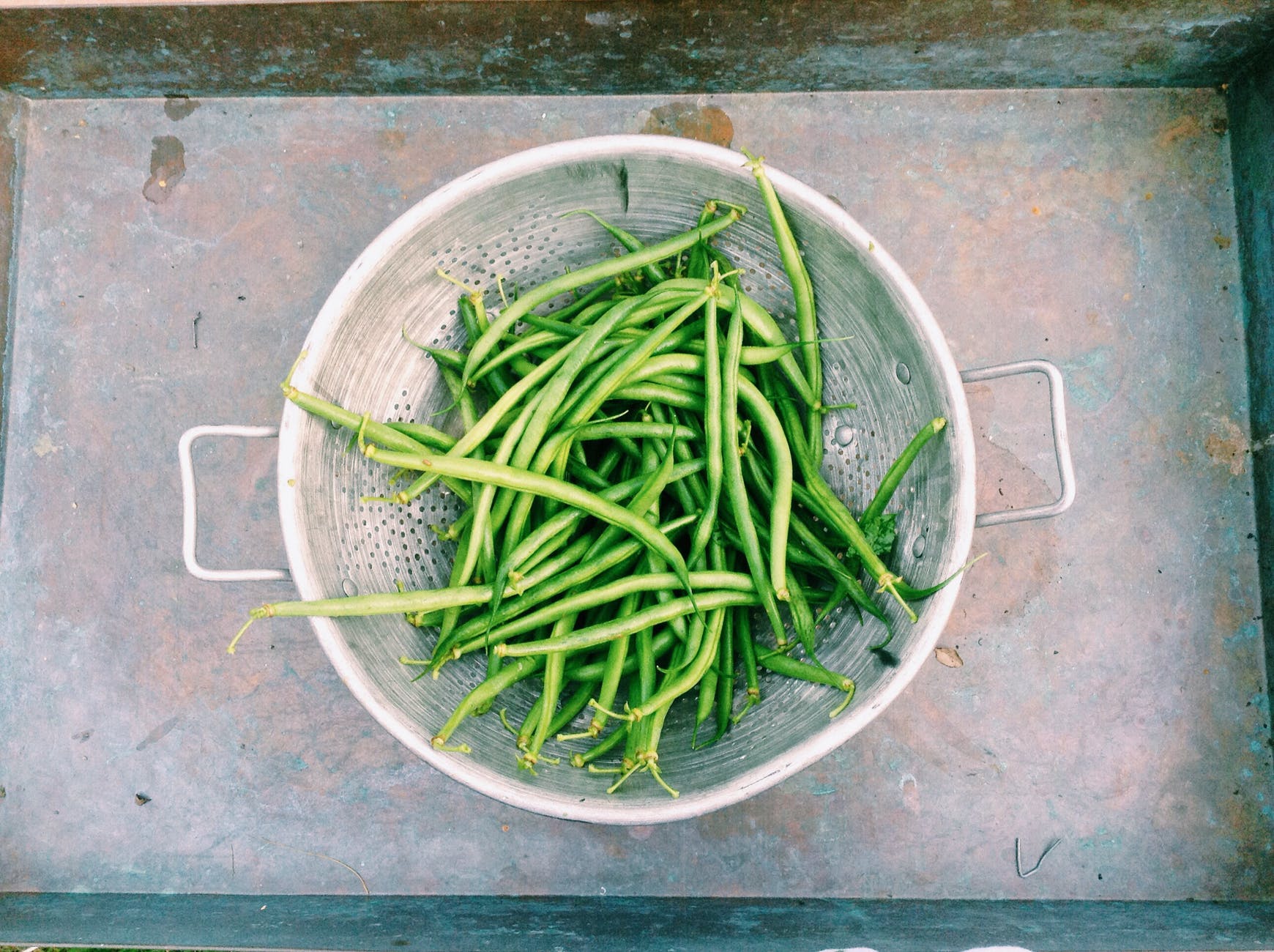
Bush Beans, or snap beans as they’re sometimes referred to, are a growing favorite among many gardeners, and with good reason. Beans are high in vitamins A, C and B2, they’re easy to grow and, unlike other vegetable varieties, growing beans will actually improve the fertility of your soil. Bush beans are also easier to grow than pole beans, require no training or staking, and you won’t need a ladder at harvest time. If you’re a true bean lover and haven’t grown bush beans before, give them a try. I guarantee you won’t be disappointed.
Soil preparation
While bush beans will grow under most any soil conditions, a little extra effort will go a long way in improving yields and lessening the chance of disease.
Beans prefer a rich, well-drained soil with a pH of around 6.0 to 6.8, so add plenty of organic matter before planting. Heavy amounts of fertilizers are not necessary for proper bean growth; however, adding small amounts of nitrogen prior to planting is beneficial. Till the area and your seed bed will be ready for planting.
Planning and planting
Before rushing off to the store to buy the first pack of bean seed that catches your eye, take the time to do a little bit of planning. Think about the way you will use the produce. Will you be canning the harvest? Freezing? Want only enough for fresh eating? Many varieties are grown with a specific purpose in mind. As a general rule avoid those varieties whose descriptions include the words “all-purpose” or “general use” and instead focus on varieties grown for the purpose you have in mind. You will get superior flavor from beans intended for fresh eating, and you won’t have to worry about the vegetable not holding up to your chosen method of preservation if the variety has been specifically chosen for that purpose.
|
If you’re in a hurry for that first pot of beans, resist the temptation to start a few plants indoors. Beans do not hold up well to transplanting and the amount of individual plants you would need to start would be difficult for the average gardener to handle. Instead, choose varieties with the shortest maturity dates. I like to plant a short row of Earliserve (45 days) or Contender (40 days).
To get a continuous supply of beans throughout the season, plant varieties of differing maturity dates or make smaller plantings every two to three weeks until about mid-season. The latter method is a must when planting the fancier French or filet beans, as they must be picked frequently and have a very short harvest period. Those who plan on preserving much of the harvest could choose either method depending on whether they wanted to preserve most of the crop at one time or prepare smaller batches throughout the season.
Plant beans after all danger of frost has passed and daytime temperatures have reached into the upper 60s. Short spells of cooler temperatures won’t hurt the bean plants but will slow their growth, and a long stretch of cold could stunt their growth, so be patient. Also, don’t soak bean seed to speed germination; this could damage their structure and leave them open to disease.
Once the soil and air temperatures have warmed, your beans will thrive and their performance will usually be superior to that of those who tried to rush the season.
Plant seeds 1 inch deep and about 2 to 3 inches apart in rows wide enough to cultivate easily, usually 24 to 36 inches. Thinning is not necessary, but if you feel you must thin leave plants close enough for leaves to touch as this will give you improved production.
|
Care of the crop
One of the great things about beans is that they really don’t need much care or fuss at all. Just keep the soil fairly moist and the weeds out. Because beans’ root systems are very shallow, take care not to cultivate too deeply. Better yet, apply a heavy mulch of grass clippings when the beans are about 6 inches tall and avoid weeding altogether. Never work with or around bean plants when they are wet; this will cause rust to develop on the pods and can spread disease. So wait until plants are completely dry before handling.
Beans can be affected by a wide variety of diseases. Luckily, most varieties grown today are resistant to most of the more common ones. If you’ve had problems before or know of a particular problem in your area, choose varieties proven to resist them. Good gardening practices, such as those mentioned in this article, will also help to keep down problems associated with the spread of disease.
The biggest pest associated with bean plants is the Mexican bean beetle. These pests usually show up later in the season but are occasionally found early in the spring. Pick off any beetles you spot and destroy them. If eggs are attached to the underside of leaves they must also be removed. If heavy infestations occur consider treating the crop with an application of rotenone dust or a non-toxic insecticidal soap.
Finally, pick, pick, pick. Picking frequently encourages further production and will provide you with beans that are both tender and flavorful, which is, after all, the whole point of growing your own beans. Happy eating.