
 |
|
| Issue #71 • September/October, 2001 |
You can buy a dozen eggs at the supermarket for 99 cents, or you can go out to the chicken coop you built and fetch a warm egg out of the soft pine wood shavings in the nesting box—and that’s priceless.
|

Every day I gently carry my three brown eggs into the house marveling all the way to the refrigerator. Maybe I’m a hopeless romantic, but I love my three old hens—Mattie Sue, Splatty-Goo, and Fu-man-choo.
Chickens are delightful characters. They’re colorful and animated and a constant source of entertainment. They peck and scratch and strut around kinda jerky, like in an old-time silent movie. But it’s their cackling I enjoy the most. My favorite sound resembles the long drawn out inhaling effort of old Aunt Ruby when she choked on cake crumbs at the family reunion.
While one hen is laying, the other two hover around like midwives “egging her on.” Then they all join in the celebration by clucking and hiccupping and “doing the Aunt Ruby.” After the deed is done, they ruffle their feathers, take a dust bath, dig a crater in the cool dirt for an afternoon snooze, eat a few worms, then go to bed early. It’s the good life.
|

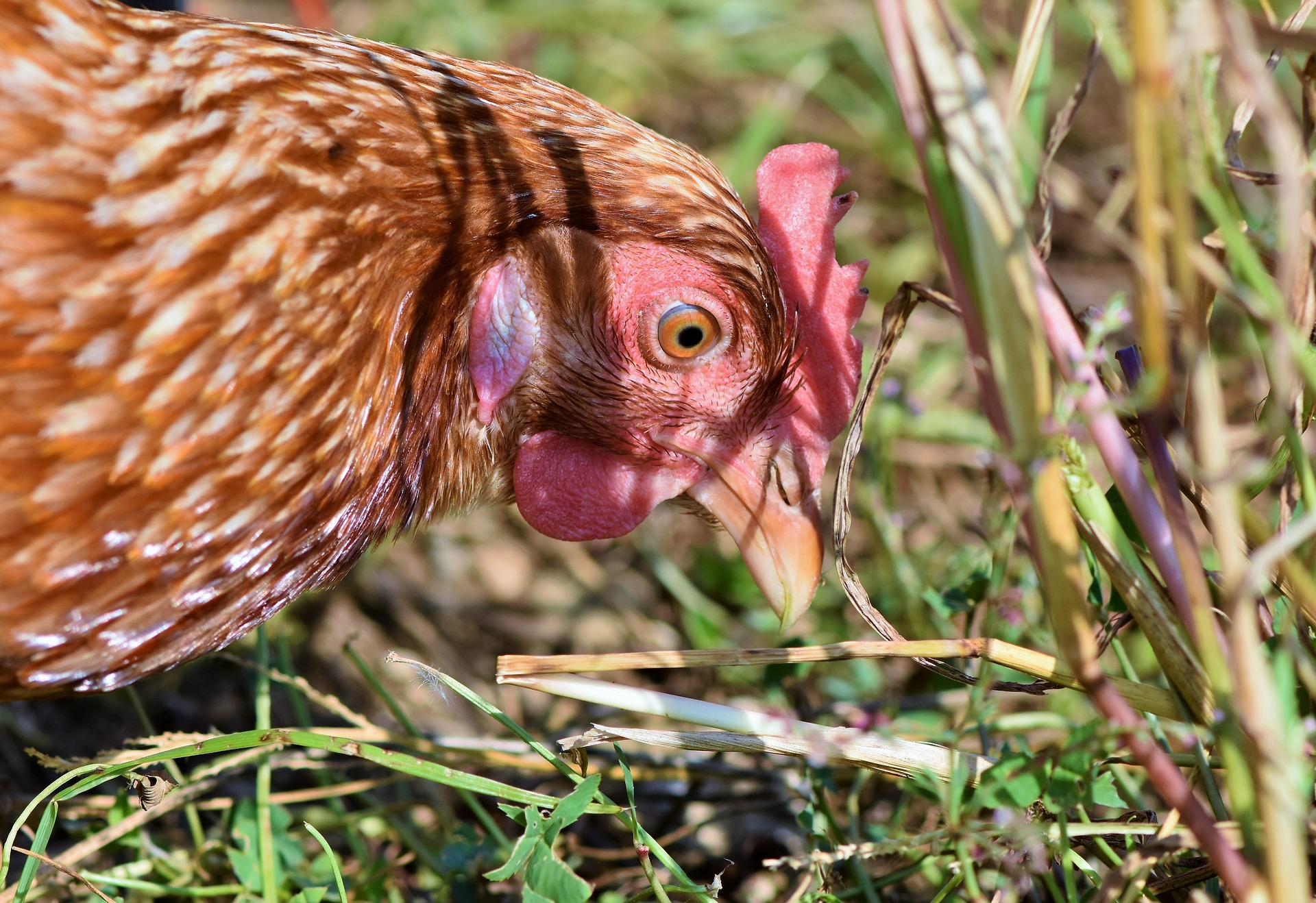
One of the best reasons for keeping your own chickens, and feeding them a varied diet that includes table scraps, is the quality of the eggs. The dark gold yolks and firm whites are so fresh they even squawk when you fry ’em.
Chickens are low-maintenance pets, inexpensive to feed, and they give back that little prize every day. All they ask for in return is a light and airy shelter, kept clean and dry and safe. They like a little shade in the summer and warmth in the winter, just like the rest of us.
Building a coop
Build this sturdy, attractive coop designed for three or four fine feathered fowl, and you, too, can enjoy the good life.
The materials cost $250 total, but you can improvise to fit your budget. Save money every step of the way by scrounging scrap lumber, using painted plywood for siding and doors, and 1x4s to frame the run.
Picking a spot to build
|

Start by picking a spot with wind protection, some shade, and good drainage. Level an 8-foot by 14-foot pad as best you can. Lay the 4x4s down in troughs filled with gravel to form a 6-foot by 12-foot rectangle, divided at 4 feet for the house, and 8 feet for the run. Build up the low ends with flat rocks or scraps of concrete and, of course, level the parallel beams with each other. (Use a long level). Toenail all the 4x4s to each other at 90 degree angles, remembering the golden rule of carpentry: “Plumb, level, and square.”
Framing and roofing
Frame the henhouse walls one section at a time on the ground, then stand them up and screw them into the foundation beams (the 4x4s).
The rear wall consists of five 5-foot vertical studs at 18-inch centers capped by 6-foot top and bottom plates. The front wall consists of four 6-foot studs at 18-inch centers also capped by 6-foot plates, but without the middle stud for now. That 36-inch gap will be spanned by a horizontal 2×4 installed as the window sill, 15 inches down from the top plate. Support underneath the sill, in the middle, with a vertical 2×4 cut to fit (about 55½ inches). Now frame in the little 18-inch square hen door by fastening a horizontal 2×4 between two studs, to create the passageway from coop to run.
|
Plumb and brace the two parallel walls with temporary diagonal braces, and install the four rafters (with precut birdsmouths) at 2-foot centers. Allow a 14-inch overhang at the front and a 4-inch overhang at the back.
Frame the sides with studs cut to the roof angle, leaving a 20-inch door opening. Screw two 7-foot 2×4 diagonals onto the front and rear walls inside the coop to stiffen the structure and support the roosts. Notch them out at 12-inch centers to hold three 2-inch branches or dowels that will step up to the top roost (their favorite). The roosts must be round for feet to grasp and breasts to rest on.
Roof with plywood, tarpaper, and shingles. Install all the cedar siding, the outside corner trim, and fascia boards to cover the rafter tails.
Frame the run with three upright 40-inch 4x4s in the front, toenailed in from every angle, and horizontal 2x4s for the top.
Predators
Line the run and the henhouse subfloors (dirt) with chicken wire, attaching it to the insides of the 4x4s with staples. This important step will foil any attempts of predatory critters from digging under the foundation in hopes of a juicy chicken dinner. Now fill the coop and run with nice earthy soil to the tops of the 4x4s.
|

Screen the 15-inch by 36-inch window opening with chicken wire and frame around it with trim. Cover the sides and top of the run with chicken wire and staple it all securely with hammer-in type chicken-wire staples. (Don’t use little staple-gun staples that the chickens might eat.)
Finishing the inside
Build-in-place an 18-inch square nesting box by the door, about 6 inches off the dirt floor. Trim the front with a 2-inch lip so the eggs won’t roll out. Three or four hens will share one nesting box.
Build the main door out of 2×6 tongue-and-groove using clamps to squeeze the four boards tightly together until you get the paired-up battens bolted through on both sides of the door.
|

Measure the door opening for the run (between two upright 4x4s) and make the door out of two identical 1×4 frames sandwiched together using glue as the mayo with chicken wire in between. Screw together every few inches all around.
Hang the doors and install the latches. If you use a gate latch on the main door, attach a shoe-string to the catch lever and thread it through a hole drilled to the inside of the coop, before you lock yourself in. (I learned the hard way.)
Now for the fun part. Go to the Grange and buy a galvanized chicken feeder and waterer, a big bag of layer-feed, a bag of scratch (cracked corn and grain), grit for their gizzards, and some oyster shell bits for calcium. You’ll also need straw or pine wood shavings to spread around everywhere to facilitate cleaning the pen every month or so.
You’ll have no trouble finding mature hens for sale cheap, or for free. Your happy hens will love their new “mansion.”
If you’re anything like me, you’ll take great pleasure in imitating chicken sounds every time you go out to the coop. Don’t be shy—unless, of course, somebody is listening.
Learn more about Dorothy and/or contact her at her website www.dorothyainsworth.com