
| Issue #99 • May/June, 2006 |
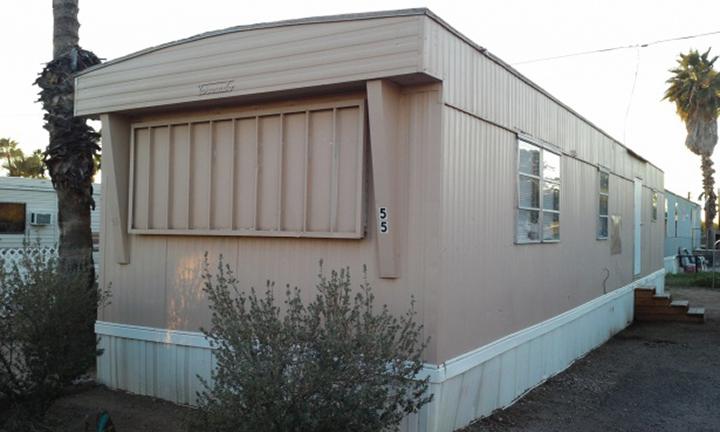
One of the quickest, easiest, and cheapest ways to get your country home is to consider a used mobile home. Sometimes you can even find these homes free by looking in a local newspaper. But like anything else, cheaper and easier isn’t always better. You have to really look at the house to make sure that you’re not getting someone else’s lost cause, or worsefire hazard.
One of the things that needs careful consideration is the wiring of the mobile home. If it was built before 1978, you need to make sure that the wiring is safe. In the late 60s and through most of the 70s, mobile home manufacturers often used cheap aluminum wire and stretched it tight in order to save money. Over time and a couple of moves, this caused the wires in these houses to crack and break, causing fire risks. Examine around the fuse box for wire condition, and check service areas, such as around the water heater.

Plumbing is another issue in many trailer houses, and it’s even more of a consideration if you live in a part of the country that has harsh winters. The pipes in trailers will freeze eventually, but if you take the proper steps, the amount of time you have to spend trying to reheat them can be lessened dramatically. Depending on your skill with a soldering torch or iron, you may want to consider plastic PVC piping. PVC is easy to work with and costs very little compared to the copper piping found in most mobile homes. The type of pipes you use in your house are your choice, but when winter freeze-ups happen, they should be something you’re familiar with and can handle. Heat tape and space heaters are often used to keep the exposed pipes under a mobile home from freezing.
Skirting keeps the wind from blowing underneath a mobile home, and it helps keep the creepy crawlies at bay. Skirting also helps as a slight insulator against winter chill, but to add protection many people use straw or leaf bags to hold in the heat better. Another way to help the skirting hold in heat is to add foam insulation to your skirting. You will need to leave some small vents in your skirting so your furnace can suck in fresh air from below. These holes don’t need to be very big, and you only need a couple of them. If you don’t do this, the furnace will find other sources of fresh air, usually around windows and doors.
Other things to check include the condition of the floors. Many mobile homes use cheap particleboard as their floors. These floors often rot out from under the carpet, and should be checked often. If you have a flat-roofed home, this is going to have to be sealed again after moving because the house shifts, causing once-tight seals to become leak havens. Tarring the seams sometimes helps with leaky roofs, but other times it just isn’t enough. Look for stains on the ceiling tiles to give an accurate description of the condition of the roof, but the seams should be resealed after every move.
There are a few parts of the country where zoning laws won’t allow an older mobile home, and most banks won’t finance an older home. So be sure you know what you’re getting yourself into before buying by contacting your local zoning officials.
A good mobile home can be a great place to start or even live out your dreams of living in the backcountry easily. Their floor plans and blueprints are simple, and they can be easily adjusted to fit your family’s needs. With a few simple checks, you can ensure that the mobile home you’re looking at is right for you.