

| Issue #41 • September/October, 1996 |
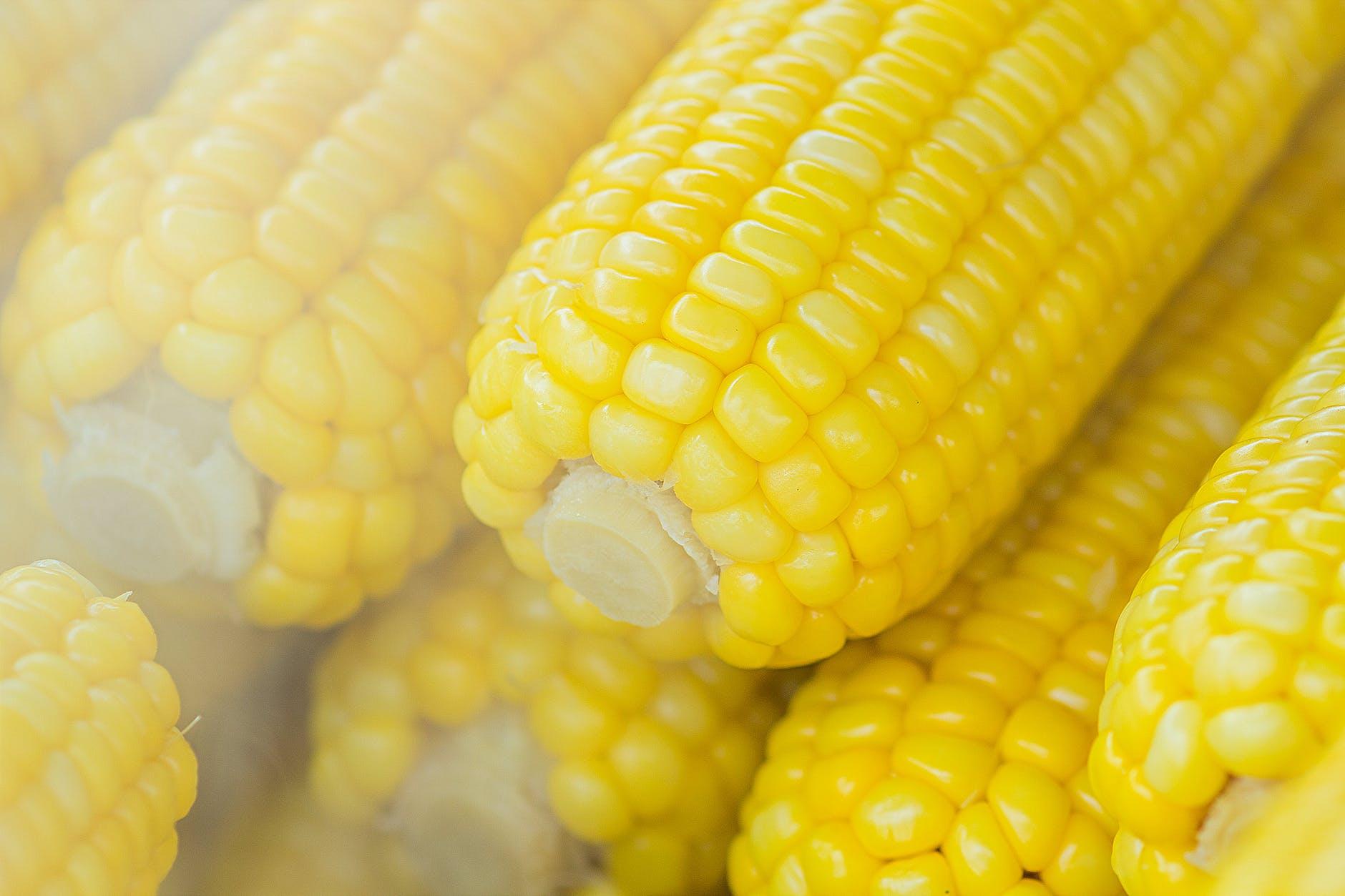
As spring approaches each year, we can hardly wait for the feel of warm earth between our fingers. And so, while most avid gardeners let Mother Nature ready the soil for planting, we have devised a simple and inexpensive way to plant our garden outdoors just after the frost has left the ground. Our method, which uses sheets of clear plastic to warm the cold soil, suits plants that do not thrive indoors or transplant well. It allows us to get an early harvest from our favorite sweet corn, but it can also be adapted to coddle other plants, such as squash or sweet potatoes, that thrive under greenhouse-like conditions.
 |
Begin in the fall by fashioning a seedbed consisting of foot-wide, six-to-ten-inch-high ridges of soil running in an east-west line. Space them as you want your corn rows spaced. (You can do this in the spring, but if your garden is poorly drained, you may find yourself in a bit of a mess.) As soon as the frost is out of the ground in the spring, spread a 10-by-25-foot roll of clear 4-mil plastic sheeting, available at any hardware store, over the planting area, laying it directly on the soil. Anchor the edges of the plastic with boards or stones or anything that will keep it from blowing away, including old croquet hoops or tent pegs.
After a few days (or longer, depending on the weather), when the earth under the plastic is warm to the touch, peel back the cover and plant the corn seeds halfway down the south face of each ridge. Then reposition the plastic, secure it, and begin a period of watchful waiting. The ridges are important: they support the plastic until the seedlings grow, promote good drainage, and serve as heat reservoirs, gathering solar energy during the day and slowly releasing it inside the plastic at night. This technique, in almost any garden except one with a significant slope to the north, ensures that even when the temperature during a cold snap drops to a few degrees below freezing at night, the area under the plastic will not freeze. And despite some fluctuations, the temperature inside the “greenhouse” can be as much as 20° C warmer than the outside air.
As the seedlings grow, prop up the cover with wooden stakes, so that the leaves do not touch the plastic and the foliage is not scorched. Monitor the moisture level carefully, watering if necessary or airing out gently if it is too damp.
Around the time of the normal frost-free date, begin acclimating the young plants to the lower humidity and temperature of the outside environment by opening the ends of the plastic for a few hours on warm, still days. Repeat the procedure for increasingly longer periods of time for a week, after which you can remove the plastic completely and store it for use the next year.
A few days later, thin the corn to about six or eight inches. To support and protect the roots, take soil from the north side of the slope, pull it between the plants and fill in the trench on the south side.
The rest is easy. With some weeding, watering, and a little luck, you too can look forward to the sweetestand earliestcorn around.











This is a fantastic suggestion, I bet, for any heat-loving vegetable! Superb idea! Thanks for the article!