
 |
|
| Issue #47 • September/October, 1997 |
About 70% of the earth’s surface is covered with salt water, and 4% of land surface (another 1% of the earth’ total surface) is covered with fresh water. In these waters there are more than 20,000 recorded species of fish15,000 of which are edibleand about 35,000 species of shellfish. Fossilized evidence and ancient rock paintings from around the world show that people have been successfully catching and eating a wide variety of seafood for more than 100,000 years. The Romans, following in the steps of the Greeks before them, were fond of fish and were quick to embrace such aquatic treasures as crawfish, red mullet, conger and moray eel, swordfish, electric ray, and sturgeon. The market in Rome featured vast ponds containing live fish brought there from the Mediterranean in tanker ships, and fish from rivers and lakes from all over Italy were sold in sacks of water. The market fish mongers sold live crawfish, sea turtles, lobsters, oysters, mussels, and every imaginable species of salt and freshwater fish. The ponds were constantly fed freshwater by the same aqueducts supplying the city with water.
 |
But as centuries passed many of the species of fish and shellfish enjoyed by the Greeks and Romans lost favor throughout Europe and North America. Between the two continents, now only a small percentage of the 15,000 or so recorded edible fish are harvested for human consumption, along with a few popular varieties of shellfish like crab, shrimp, lobster, clam, oyster, and scallop. This is odd when you consider that in North America salt and freshwater alone, there are more than 500 species of fish, crustaceans, and mollusks for sale on the commercial market, and more than twice that number on the worldwide market.
During the past 30 years, however, fish and shellfish have become more and more popular since consumers have discovered that seafood is a low-fat, high-protein alternative to meat. This revived interest in seafood is also, in part, due to a successful long-term marketing effort conducted by the seafood industry. The main objective of this effort is to introduce unfamiliar species of fish and shellfish to consumers while providing interesting and appetizing new suggestions on how to prepare them. In America this campaign is having a great deal of success. Today tilefish, mullet, squid, rock shrimp, wolfish, goosefish, shark, squid, and octopus, along with many other previously unfamiliar varieties of fish and mollusk that were once considered ethnic in our cuisine, are as common in markets as cod, flounder, and salmon. Worldwide, the fishing industry has developed fishing boats that double as floating processing plants, with the capability of cleaning, dressing, portioning, packaging, and freezing fish within hours after they are pulled from the water. This kind of efficiency brings many varieties of high-quality frozen fish to the market at very affordable prices. Along with this perfection in freezing and packaging, fast cross-country transportation in reliable super-chilled trucks and planes makes it possible for a market in Omaha or Phoenix to sell fish as good as anything found in the fish markets of Boston and Seattle. Popular television food shows and weekly newspaper food columns have given talented chefs a free hand to create and present delicious recipes using a wide variety of fish and shellfish. Restaurants have also discovered that their sales increase proportionately with their ability to feature high quality seafood at affordable prices.
 |
Anglers have an even greater opportunity to enjoy fish as a regular food. They get to catch fish seldom available on the retail marketfresh water sport fish like yellow perch, crappie, black bass, walleye, pickerel, and pike, along with their salt water and anadramous (live in fresh and salt water) cousins like striped bass, tautog, scup, and chinook salmon. These fish are a gourmet food, exclusive to the angler. Fishing grounds also offer successful anglers commercial species like crabs, clams, oysters, and lobsters, which often command high prices on the retail market.
I have been a sport fisherman since I was a kid, although I admit that I have fished more for sustenance than sport. When we were young, Dave, the publisher of this magazine, and I spent many spring, summer, and fall weekends fishing for cod, pollack, flounder, and Atlantic porgy (scup to some) in a small bay in Boston Harbor. For about $10 we would rent a 14-foot row boat, equipped with two sturdy boat rods and two dozen sea worms. The price also included a tow to and from Boston Harbor buoy number 5, which was centrally located to all our hot fishing spots off Hough’s Neck. On a good day we would head home with about 10 pounds of skinless fillets. This is enough fish to feed 15 or 20 hungry people. Even in the inflation ravaged 90s, this type of high-class, low-cost fishing is still available across the country. If you have never tasted fresh flounder or cod deep fried or baked within hours of being caught, or fresh trout, yellow perch, or catfish field dressed and pan fried over an open campfire, you have yet to experience the gastronomic reward of eating genuine gourmet food.
 |
With high-quality fresh or frozen fish, any cook with a little imagination can make use of an easily learned basic set of rules and become a master at gourmet fish cookery. It is important to note that despite the higher prices one encounters today, fish and shellfish are still among the best buys in the market. There is no waste in a pound of fillets, a pint of shucked clams, or a pound of scallops, and all fish contains a high quality, easy to digest protein that is unsurpassed by any animal protein.
The elements of fish cookery
Fish cookery is basically simple, with handling and cooking principals that are quickly learned and easy to follow. Seafood recipes, however, are at best well-informed suggestions, because successful fish cookery depends primarily on the quality of the ingredients and the skill of the cook. In this issue I will discuss the basic talents necessary to ensure that your seafood dishes are always a success. Then I will share some easy-to-prepare recipes that have been standards in my family for many years.
 |
How do you recognize when fresh fish is fresh? If it is frozen, how do you tell that it has been handled properly by the packer and the retailer? Fresh fish, from the creel or from the market, should have firm and elastic flesh, clear and full eyes, bright red gills, a clean pleasant order, and an absence of reddish discoloration on the ventral side of the backbone, that is, the side of the backbone that’s on the inside of the fish. Cloudy, sunken eyes, and gray colored gills are the first recognizable signs of old, decaying fish. When the head, gills, and backbone are gone, rely on your sense of smell and touch. If you come across fresh fish that is prepackaged, as it often is in supermarkets, don’t buy it until you are sure that it is fresh.When buying frozen fish, look for packages that are frozen solid with no air space between the fish and the packaging. The flesh of frozen fish should be glossy and free of all signs of freezer burn, which causes discoloration and dryness.
What is freezer burn?
Freezer burn is caused when water molecules in the form of ice crystals form on the surface of food left exposed to the dry atmosphere of the freezer. Through a process called sublimination, these solid ice crystals transform into a gas inside the freezer, leaving a patch of dried tissue on the surface of the food. Sublimination is the equivalent of high temperature liquid evaporation, but at low temperature.
 |
If you must freeze fresh fish, freeze it immediately unless it is going to be eaten within 24 hours. Since air infiltration and water loss are the culprits of freezer burn, select packaging that is air and water-impermeable. Plastic wrap or bags that indicate on the package that they are manufactured for freezing, as well as heavy gauge aluminum foil, are excellent freezer packaging materials.
Air cannot penetrate ice, so fish frozen in a solid block of ice will be well protected. My favorite method for freezing whole fish is to coat them individually in an ice glaze. The fish are first frozen without wrapping, then dipped in ice water and frozen again. This process is repeated, usually three times or until about 1/8-inch of ice builds up. The fish is then tightly wrapped in heavy-gauge aluminum foil and placed in freezer bags for storage. I find that freezing promotes oxidation of the unsaturated fats in some fish, causing a variety of off flavors. For this reason I never freeze striped bass, blue fish, or mackerel, due to their high oil content.
Never thaw frozen fish at room temperature. Bacteria flourishes at room temperature and can cause everything from off flavors to outright spoilage.
 |
Preserving fish
It is important for anglers to understand that the only way to preserve their catch is to keep it alive or cold. If the surface water is cold, a stringer or wire basket will keep some species alive for a few hours. For the best quality and flavor, all fish should be killed, field dressed, and super chilled immediately. Field dressing means simply removing the gills, guts, and bloodline that runs along the ventral side of the backbone. Super chilling means refrigerating the fish in an insulated cooler by laying them on a blanket of crushed ice mixed with a little rock salt. One pound of course ice cream salt mixed with 20 pounds of crushed ice will hold fish at about 28 degrees F., which is 10 degrees colder than most refrigerators.
 |
Seafood recipes can be the most obtuse formulas that you will ever encounter. Old Sully, the chef who taught me a great deal about the science, technology, and artistry of food, made a fish stew that was superb. Whenever I would ask him how much of any ingredient he used to make this masterpiece, he would give me one of what he called the relative units measurement: a little, some, a lot, plenty, and enough. This little anecdote always comes to mind when I read the section of many seafood recipes that is supposed to tell you how much fish to use. Recipes often call for two whole drawn bass or enough to feed six people or four pan-dressed trout. There was a time when measurements like this left me scratching my head, wondering how much fish to buy. The difference between the terms whole drawn and pan dressed were also a mystery.
Table 1. Approximate quantities per serving |
 |
A glossary of fish terms
Here are some reliable descriptions of the most common methods for dressing fish, followed by suggestions on how much fish or shellfish to buy or bring back from the stream, when a recipe is not specific on the amounts to use.
Whole fish or in the round: This is fish purchased whole just as it comes from the water before it is gutted and scaled.
Drawn: This term applies to fish that have their entrails removed, with the head, fins, and scales left intact. This is a great way to buy fish if you are making fish stock or planning a classic presentation with the head and tail left on when the fish is served.
 |
Dressed or pan-dressed: This is fish that has been eviscerated and scaled, with the head, fins, and tail removed.
Fillet: The sides of the fish taken lengthwise away from the backbone. Fillets are usually boneless, and they are sold with or without the skin attached.
Split fish or halved fish: A whole pan-dressed fish cut open flat like a pancake on the ventral side of the back bone. The bones may or may not be removed. If the bones are removed, the cut is sold as a block fillet.
Steaks: These are cross-cut slices taken from a large drawn or dressed fish cut ½- to 1½-inches thick. Halibut, swordfish, salmon, and tuna are most frequently sold in steak form.
 |
Table 1 will help you determine the amount of seafood to buy when the recipe doesn’t tell you how much to get.
The doneness problem
The most important element of fish cookery is for the cook to understand that fish cooks faster than animal meats. Overcooking is major fault that many cooks fail to solve because they feel that fish comes in so many species, shapes, sizes, cuts, and textures that precise cooking times are impossible to pin down. This reasoning is also supported by the fact that not all range tops, ovens, barbecue grills, campfires, and so on, are created equal. It is not possible to account for all of the variables with one suggested cooking time or temperature. On the other hand, all cooks, even the pros, need something to guide them through the preparation of a new seafood recipe, or even a familiar recipe in which an unfamiliar type of fish or shellfish is being used. There is a method to solving this problem, but any method for measuring doneness is useless unless you know what you are looking for. Many recipes suggest that fish is properly done when the flesh flakes. Well, fish will start to flake from the point of being perfectly cooked, and continue to flake until it is absolutely mummified from the heat. When any fish starts to flake, an experienced cook will also look for other important changes in the condition of the flesh. If the fish is ready for eating, the flesh, which is transparent in the raw and partially-cooked state, will then have turned opaque.
 |
A few years ago, calculating the doneness factor of fish by using what is called the Canadian method became popular. This method calls for measuring the fish at the thickest point, and cooking it for 10 minutes at 450 degrees F. for each measured inch. The formula works with some types and cuts of fish, but shows serious flaws with many others. Many fish taste best when cooked at lower temperatures, and by cooking methods that cannot reach 450 degrees F., such as poaching and steaming. When cooking large oily fish over charcoal, I often bake the fish in the oven for a period of time at a moderate temperature and finish it on the grill at a high temperature.
Combining a modified version of the Canadian method with the old reliable test with a fork for doneness method has worked well for me. This modification also works well with a wide variety of recipes using compound production procedures, such as rolled, layered, or stuffed fillets, and whole stuffed fish. Here is how it works. Measure the fish according to the Canadian method. This will help you approximate how long to cook the fish, regardless of the cooking method. If the fish measures an inch or more, start testing with a fork at the 7 minute point and repeat at 2-minute intervals. Do this by inserting the fork into the thickest part of the flesh and gently turning the fork and pressing inward. If the fish is ready, the still juicy flesh will show a trace of translucence, which will turn opaque as the fish continues to cook after it is removed from the heat. If you are not conditioned to paying this much attention while cooking fish, this will seem to be a little much at first. But I assure you, if you can successfully eyeball a hamburger on a charcoal grill, you can become an expert at fork-testing fish.
 |
Cooking suggestions and other hints
Be aware that deep frying, sautéing, and pan frying when you’re cooking fish are very different cooking methods, each with its own set of rules. Deep frying fish requires a volume of oil large enough to immerse the fish completely. The process is similar to boiling potatoes, except that oil is substituted for the water. Most deep frying is done at 360 to 380 degrees F. The fish should be coated with one of the many coatings designed for deep frying including batters and other compound coatings that are composed with combinations of milk, flour, eggs, and cornmeal applied in separate layers.
Sautéing works best with small pan-dressed whole fish like crappie, brook trout, and yellow perch. I dredge these fish in seasoned flour, corn meal, or bread crumbs, then cook them over a low flame in melted butter or margarine until browned on both sides and cooked through. Liquid batters and compound coatings, especially those that employ eggs, should be avoided when cooking with this method because they take on a leathery, unappetizing texture when subjected to the low heat .
 |
Pan frying is similar to sautéing, but at a higher temperature using oil instead of butter or margarine. Despite the higher cooking temperature, liquid batters are not recommended here either. Compound coatings that use fast-browning outer coatings like bread crumbs, cracker crumbs, or corn flake crumbs are easier to control when using this method, as opposed to deep frying.
When deep frying fish fillets of any thickness, these coatings often brown before the fish is completely cooked. Pan frying uses less oil than deep frying, which makes it easier to control cooking temperatures. Frying in a 7-inch cast iron skillet, coated with whole ½ cup of peanut oil over a medium flame, is perfect for pan frying coated fish.
When baking or barbecuing fish with the skin on, cutting diagonal gashes about cook faster ½-inch deep and 1 inch apart through the skin will help the fish and more evenly. Cooking whole fish may seem odd in an age when the fillet is the most readily available form of raw fish on the market, but cooking fish with the skin, head, and tail attached retains more flavor. Ask any trout angler who has been fortunate enough to enjoy a fresh-landed trout sautéd at stream-side over an open fire.
 |
When cooking fish that is wrapped in foil, leaves, or parchment, increase the cooking time a little to compensate for insulation created by the enclosure.
Fresh fish should be taken from the refrigerator and allowed to come to room temperature before cooking. This will shorten the cooking time and retain more of the natural flavor.
Fish cookery, just as with any other culinary art, can be simple or complicated. The range of flavor and texture in seafood parallels that of fine wines, from the understated to the clearly defined. Unlike fine wines though, the gourmet delight of seafood is more available, easier to understand, and the possibility of masterpiece creation is in the hands of all who love to cook. In the recipe section, I have selected simple and easy to prepare formulas. I have left the door open for you to make your own fish choices because each of these formulas works well with a variety of species.
I hope the information and the recipe suggestions that I share with you will start you on you way to becoming one of the world’s dedicated icthyophiles.
 |
Sauté Meunière Amandine
This is a culinary concept that I was taught in Chef Sully’s Fish Cookery 101 classa class that never really existed except in my mind as I got instructions from him on how to cook. The fancy recipe title isn’t really the name of a recipe; rather, it describes a very old French classic-cooking process. Loosely translated it means to coat with flour and pan fry at low temperature with almonds. One of Sully’s gifts as a chef was his ability to make many very simple, easy to prepare items sound as though he invited a chef from the Ritz Carleton to prepare our Friday seafood luncheon specials during Lent. The reality was: Sully at 1 of the ranges with 6 cast iron skillets, and me at the other range with the same. When this item, in particular, was on the menu, both of us were glued to our sauté stations from the beginning of lunch to the end. I often wondered if any of the other 25 items on the menu was moving.
 |
This formula is a classic example of how a seafood recipe can be little more than a well informed suggestion. The production process, sauté meunière, is the well informed part of this formula; the rest is open to free interpretation. I have prepared this dish with cod, haddock, pollack, trout, yellow perch, catfish fillets, mussels, and scallops. With this recipe I suggest using almonds and mushrooms, but I’ve watched others use red sweet peppers, shallots, pecans, and Greek olives.
Ingredients (serves four):
6 Tbsp.blanched, slivered almonds
4 8-oz. skin-on fish fillets, steaks, or pan-dressed fish
½ cup milk
½ cup Wondra flour (I like the grainy texture with this process)
6 Tbsp. butter or margarine
¼ cup fresh lemon juice
¼ cupfresh, sliced mushrooms
Equipment: 7-inch well seasoned cast iron skillet or an equivalent size skillet with a nonstick surface.
Method:
1. Dry roast the almonds over medium-low heat until they turn a light golden brown, then remove from the pan and set aside.
2. Dip the fish fillets or steaks in milk, then dredge them in flour. Shake off any surplus flour.
3. Melt the butter or margarine over medium-low heat, then the almonds.
4. Sauté the mushrooms lightly. Remove the mushrooms and combine them with Place the fish in the pan. If you are using fillets, have the skin side up. Sautbrown on one é the fish, slowly, over low heat until side, then flip the fish over to brown on the other side. Remove the fish to a warm platter and set aside.
5. Add the lemon juice, almonds and mushrooms to the butter in the pan, raise the heat to a medium flame. Stir the mushrooms and almonds until they are heated, then pour this sauce over the fish and serve immediately.
 |
Hearty breakfast fillets
Here is a fish fry recipe that is perfect for small thin perch and crappie fillets that usually end up in the freezer until you catch enough to feed the family. While on a fall fishing/camping holiday a couple of years ago, I watched two fly fisherman prepare this recipe for breakfast on a chilly morning alongside one of Cape Cod’s most popular trout ponds. The trout were hiding that morning, but the yellow perch were grabbing at every thing that we threw in the water. At first, all of us were throwing these lowly fish back as fast as we could unhook them. As the sun finally started to peek over the trees, none of us had yet hooked a trout. Finally, one guy, a big man with red hair, named Phil, called to his friend. Hey, Ace, what did you bring for breakfast, I’m getting hungry.
Ace was a balding man with shoulder length blond hair, wearing shorts and crew socks. You don’t see many fly fisherman comfortably wearing shorts on a cold October morning. All I have is a box of corn flakes and a carton of skim milk, he replied.
Phil then turned to me and said, Hey, guy, you wouldn’t have a couple of eggs would you? As it turned out, I did. Great, he said. Let’s team up and fillet a bunch of these perch. They won’t win us any trophies, but they make great breakfast food.
 |
The three of us fished for another half-hour to catch a few keeper perch. After dressing, we had about two pounds of fillets. It took Phil only a few minutes to put this breakfast delight together.
Note: Phil made corn flake crumbs by putting the flakes in a paper bag and crushing them with a small log. If you don ‘t have a small log in your kitchen, you can use a blender, food processor, or buy corn flake crumbs from your local market. Also, I’ve added flour to Phil’s coating mixture because I feel that flour helps to prevent oil absorption into the fillet.
Ingredients (serves two):
½ cup flour
Kosher salt and freshground black pepper to taste
1 egg
½ cup milk
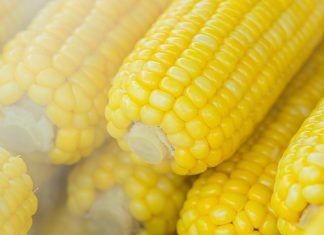
1 cup corn flake crumbs
1 lb. fish fillets (small thin fillets preferred)
½ cup peanut oil
Equipment: 7-inch well seasoned cast iron skillet or an equivalent size skillet with a nonstick surface.
Method:
1. Combine and blend the flour with the salt and pepper in a shallow bowl.
2. In a separate bowl, combine and blend the egg with the milk.
3. Place the corn flake crumbs in a third bowl.
4. Coat the fillets with flour, then shake off any excess flour. Dip the fillets in the egg mixture, making sure that the fillets have no dry spots.
5. Coat the fillets with corn flake crumbs. Inspect fillets to ensure that each is completely coated with crumbs. If necessary redip the bare spot in the egg mixture, then back into the crumbs.
6. Heat the oil over a medium flame. Fry each fillet until golden brown on each side. Corn flake crumbs brown quickly, and the thin fillets cook equally as fast, so the whole process will only take a couple of minutes.
 |
Broiled fish fillet with piri piri sauce
Piri piri is a family of Portuguese hot sauces. These sauces are used by many Cape Cod chefs to add zip to broiled and baked fish. I use the term hot sauce in a very broad sense because Portuguese piri piri sauces are formulated to complement the taste of a seafood, not obliterate it with chilli pepper burn. I use the sauce when broiling or baking black bass, striped bass, walleye, and mackerel. Salmon, tuna, halibut, shark, and swordfish steaks also take on a new excitement when enhanced with this sauce. I also make a fiery version of this sauce by adding some chilli pepper flakes and serving it cold as a dipping sauce for shrimp, mussels, and clams.
When broiling fish, the thickness of the fillet will determine the distance to place it from the heat. For fillets that are less than 1 inch thick, place the broiler pan 2 inches from the heat; place 1-inch fillets 4 inches from the heat. Thicker fillets should be placed at least 6 inches from the heat.
Ingredients (serves two):
1 lb. fish fillets (black bass, sea bass, haddock, cod, pollack, or bluefish)
1½ cups white wine
1/3 cup fresh lemon juice
2 Tbsp. mixed pickling spice, crushed
½ tsp. cumin seeds, crushed
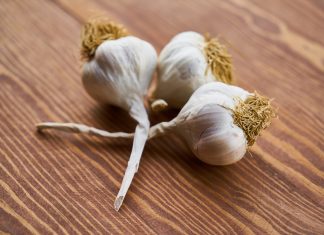
3 cloves fresh garlic, chopped
6 Tbsp. butter or margarine, melted
½ tsp. paprika
Enough piri piri to coat the fish after cooking
Method:
1. Cut the fillets into serving size portions and place them in a single layer in a glass or other nonreactive baking dish.
2. Combine the wine, lemon juice, pickling spice, cumin seeds, and garlic. Pour this mixture over the fish. Marinate the fish in the refrigerator for 20 minutes.
3. Remove the fish from the marinade, brush off the spices and place the fish on a well-greased broiler pan. Blend the paprika with the melted butter or margarine, and brush this mixture generously onto the fish.
4. Preheat the broiler and broil the fish at distance from the heat that will ensure even cooking without burning. Broil the fish until it is cooked on one side. Carefully turn the fillets over, brush again with the butter and paprika mixture, and return the fillets to the broiler to finish cooking.
5. Heat the piri piri sauce, spread a blanket of the sauce on the fish, and serve immediatelyif not sooner.
Piri piri sauce
The flavor of this sauce improves with a little aging. I suggest you make it a couple of days before you plan to use it and store it in the refrigerator in an airtight plastic storage container.
Ingredients:
1/3 cup extra virgin olive oil
1 medium onion, chopped fine
4 fresh garlic cloves, chopped fine
1 12-oz. jar pickled hot jalapeno peppers, drained and chopped fine
1 4-oz. jar pimentos, chopped fine
1 12-oz. bottle chili sauce
Method:
1. Heat the olive oil in a 7-inch cast iron skillet over medium heat. Add the chopped onions and sauté them until they are translucent.
2. Add the chopped garlic and cook the mixture for two minutes, then add the drained and chopped jalapeno peppers, chopped pimento peppers, and chilli sauce. Reduce the heat to low and slowly simmer the mixture for 5 minutes.
3. Let the sauce cool, then transfer it to an airtight container and place it in the refrigerator. It will keep for up to two weeks under refrigeration.
 |
Using all of the catch
My first formal lesson in fish cookery was how to prepare, cook, cool, and store a 20-gallon batch of fish stock. Chef Sully used all of this stock to make a clam or fish chowder for the weekly soup-and-sandwich Friday special, so we made a fresh batch of stock every week. Some flesh always remains on the fish bones and head after filleting and steaking, and every week Sully had 70 pounds of fresh fish heads and bones delivered with our regular fish order. Don’t waste those bones Blunt; make us a good fish stock. This was Sully’s way of assigning that morning’s work to me.
Today, when you mention the word stock, many cooks, professionals included, turn pale with thoughts of pots bursting with meat, bones, and vegetables simmering for hours on top of the stove. To the contrary, fish stocks require about 5 minutes of preparation and, usually, only 30 minutes of simmering. Three or four pounds of fish bones or heads, a small amount of vegetables, some water, a bit of seasoning, and that’s it. A good fish stock is essential to the successful preparation of fish and shellfish stews, chowders, soups, and sauces. The alternatives to a good fish stock are water and bottled clam juice. Water does little to enhance flavor, and bottled clam juice is a salty, heavy tasting product that masks rather than complements the delicate flavor of high quality fresh and frozen fish.
Here is a simple fish stock that can be prepared in less than an hour, reduced in volume to save space, and frozen in small plastic containers in two-cup portions. Mix two cups of this concentrated fish stock with two cups of water and you will have enough full-bodied stock to make a soup, chowder, or stew for six people.
Basic fish stock
This recipe makes about two cups of concentrated stock.
Ingredients:
1 small bouquet garni (½ tsp. dried basil, ½ tsp. dried thyme, 1 sprig fresh rosemary)
4 lbs. fresh fish heads, and bones
1 small onion, chopped
1 small carrot, chopped
8 cups water
Method:
1. Make the bouquet garni by tying the basil, thyme, and rosemary in a small piece of cheese cloth.
2. Remove the gills from the fish heads if they haven’t been removed already. Discard the gills and all skin and wash the fish under cold running water.
3. In a suitable size stock pot combine all of the ingredients except the bouquet garni. Bring the mixture to a boil and reduce the heat. Let the stock simmer, uncovered, at the lowest possible heat for 15 minutes. Add the bouquet garni and continue to simmer the stock for 15 minutes.
4. Strain the stock though dampened cheese cloth that is 4 layers thick.
5. Return the stock to the pot and simmer uncovered until it is reduced by half. Do not boil the stock. Boiling will make it muddy.
6. Cool the stock in the refrigerator. Freeze or refrigerate in plastic containers.
That’s it for this issue. My fishing rod is near the door and I’m out of here.
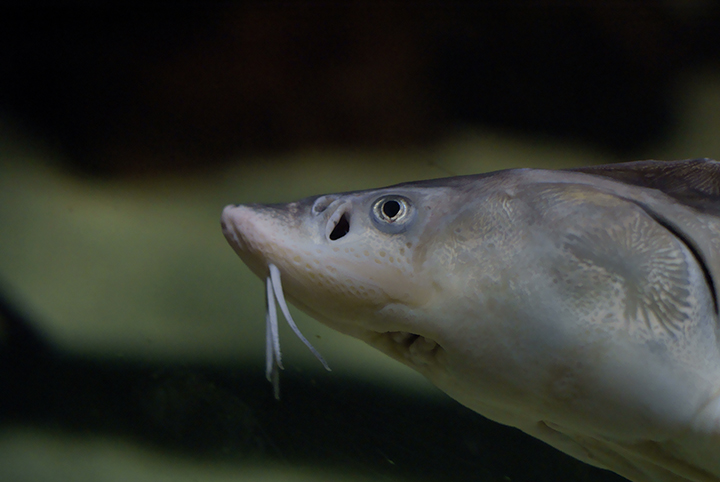
(See if you can match the drawings of the fish scattered throughout this article with the following: sturgeon, Atlantic cod, swordfish, mullet, sea catfish, striped bass, giant rock scallop, pacific littleneck clam, crayfish, porgy, coho salmon, tautog, eastern oyster, freshwater catfish, pumpkinseed, flounder, rainbow trout, speckled trout, perch, red crab.)