
| Issue #120 • November/December, 2009 |
If you want to get into wildlife photography, your timing could not be better. Many serious amateur and professional photographers are upgrading their 35mm film cameras to newer digital ones. Great deals can be found on the gear they trade in at camera shops and on eBay.
You first need to know the basics of photography and understand what your camera and lenses are capable of, and nothing can teach you better than a 35mm.
Great wildlife photos were being taken long before digital gear was invented and you don’t have to be an expert or clean out your bank account to get great shots.

A few tips
- Inside any camera is a handy little gadget called a viewfinder. What does not appear inside that will not appear in your photograph. Sounds simple enough doesn’t it?
- If your goal is photographing birds at a feeder, try to hang it where you can get an angle for the shot that looks most appealing and most like a natural setting. Filling the viewfinder with your subject reduces the depth of field and often helps blur the background.

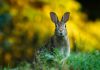
- I feel no apprehension about getting close to a furry little rabbit, but common sense tells me to grab the 500mm lens when photographing a grizzly bear. Getting in close eliminates the need for long lenses and tripods, but be aware of your surroundings. I was photographing a nest of eagles once in Florida near Cape Kennedy, and while inching closer I almost stepped on a Diamondback rattlesnake.
- What’s cuter: a puppy or a basket full of puppies? What’s more colorful: a hummingbird at a feeder or five of them hovering in place over some beautiful flowers? Bright colors, unusual behavior, and other out-of-the-ordinary compositions will set your photographs apart from others.

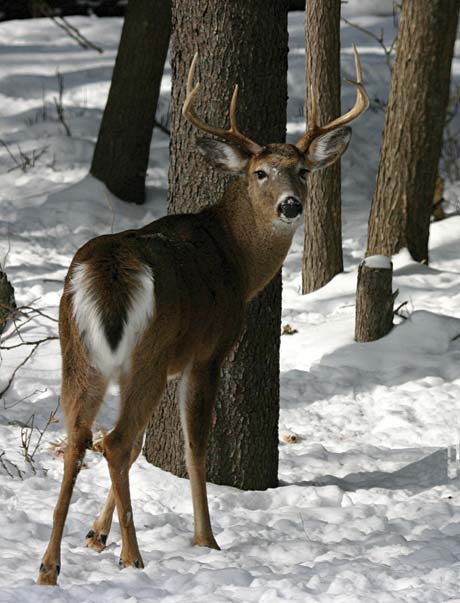
- Years ago when I started photographing wildlife I asked the best wildlife photographer I knew what the best tip he could give me was. His answer: “The eyes have it!” If they are in focuseven if only a little of them are visiblethey will instantly draw the viewer’s attention. Concentrate on getting the eyes sharp and clear. Usually if they are in focus the rest of your photo will be clear also.
- Learn the habits and movements of the animals you want to photograph. The ability to predict their patterns will allow you to position yourself for the best shot. All wild creatures need food, water, and shelterlocate where they go to get them, and you’re halfway there.

- Consider the time of day. I like photographing wildlife just after dawn and an hour or so before dusk. The colors in the photos are richer and the animals seem more at ease.
- Stay hidden. After taking my photos I make it a habit to let the animal or birds leave the area without ever knowing I was there, allowing me the luxury of returning later to take more photographs. Use flash only as a last resortyou will only get one shot.