

| Issue #69 • May/June, 2001 |
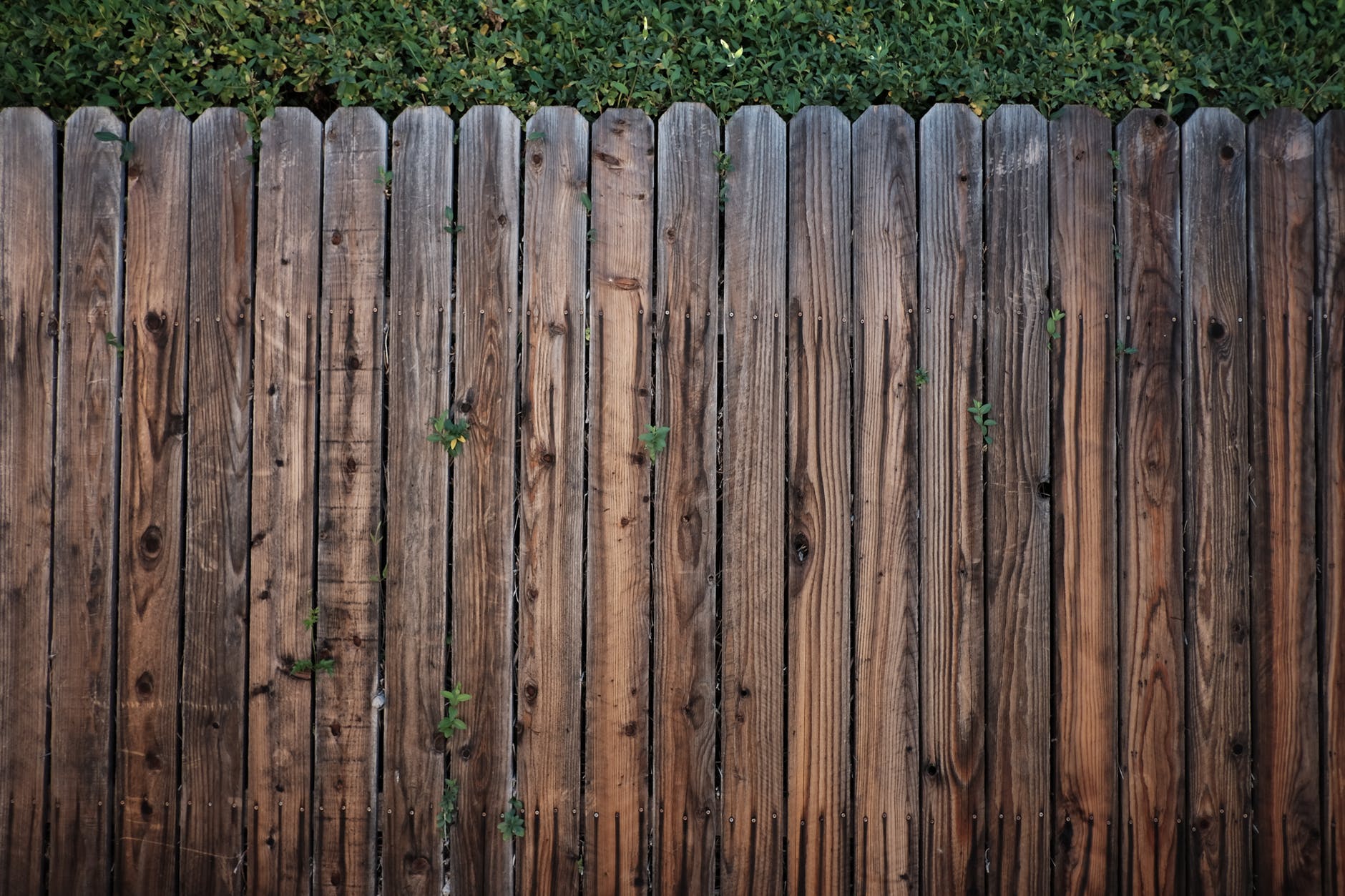
If you have access to various sizes of free pallets, consider this idea for your next fence. Now I know for a fact that I would rather dig a ditch with a spoon than pull “nailed on boards.” But when faced with the retail cost of a new fence from the Home Improvement Center, I will happily run for the hammer when the cost is nearly nothing.
Untreated, stained, or painted to your preference, a pallet fence should last for many years, although I strongly advise you at least treat the dirt-bound end of your posts with Thompson’s Water Sealer or some equally comparable preservative. The finished pallets should also be affixed to a height of at least 3 inches from the ground to help prolong the life of the fence.
Selecting pallets
Important from the very start is pallet selection. Pallets should be in excellent condition and very similar to the diagram.

After the area for the fence is measured and the pallets are collected, cut the number of posts you will need. You should use dry hardwood for your posts, and don’t forget to measure them as the length and width will vary with your type of pallet. Also, you should add two feet to the length of each finished post for ground depth and apply some preservative to the two feet, plus another six inches that will be exposed above ground. (I put preservative in a spray bottle and apply.) Set posts aside to dry according to manufacturer’s instructionsroughly 48 hours.
Now from the front of the first pallet, pull every other board, then remove all boards from the back. Use a jigsaw to cut the tops on the front of the pallet to a design that pleases you. Use the diagram suggestions or design your own ideas.
When all pallets are ready and posts are dry, dig at least two holes, two feet deep to start. (To break up the monotony, I generally secure each section and dig holes as I move along.) Once two posts are firmly secure in the ground use your extra boards, measure and cut, then screw or nail to front of posts as shown in the diagram. These boards will hold the pallets to the post. Screw them in from the back side of the fence. Continue the process to completion. A gate, if needed, is easily made from a small pallet with tops cut to match the rest of the fence. Built with patience, this fence will meet your needs in both strength and appearance. An expensive fence built in haste, in my opinion, won’t hold a candle to a well made pallet fence.









I’m really hoping to build one of these fences around my daughter’s birthday garden and am having a hard time visualizing how the pallets attach to the post/board. Do you have an image?
Thanks!
What about Termites???