
Backwoods Home Magazine BHM Home

Archive

BHM Newsletter
Volume 12      Number 1

January, 2010
 

INSIDE BHM

New Issue, New Anthologies

Cover 122

It sure doesn't look like spring yet, but we're in the mood for it now that we've sent our March/April issue to the printer.

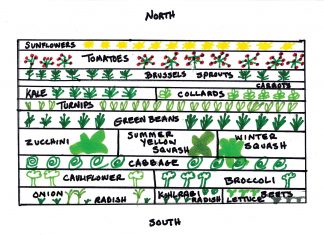
Issue #122 features several gardening articles, including one that has us particularly motivated, The $1 garden, which proves that you can grow a fair amount of food for only one dollar.

Richard Blunt is back with delicious recipes for vegetarian and semi-vegetarian meals. We've already tried the vegetarian curry in our test kitchen (that would be my kitchen) and our panel of tasters (my family) all gave it the thumbs up.

John Silveira writes about inflation and what could potentially happen in the US if hyperinflation sets in, with stories of what has happened in other countries.

Massad Ayoob talks about spare firearms and why you really need one, and Patrice Lewis offers an intro in caring for cattle.

After deadline, we immediately jumped into getting two new anthologies ready to print, the Fifteenth and Sixteenth years. Watch for next month's Newsletter as we'll have a Special Offer on the two new anthologies just for Newsletter Subscribers.

—Annie

Special Offer

You know how sometimes people benefit from the mistakes of others? Well here is your chance.

Special offer on anthologies two, six, and nine.

We just received our shipment of three anthologies we had reprinted because stock was getting low. Unfortunately, we didn't think to figure out how much room we had in the stockroom when we placed the order. Now we have three pallets of anthologies — one pallet each of The Best Of The First Two Years, The Sixth Year, and The Ninth Year — and nowhere to put them.

So next week, we're going to offer on the website an anthology three-pack that contains one of each of the overstocked books for just $36.00. That's a heck of a deal in itself — almost half price — since the books retail for $21.95 each. But we wanted to make the deal even better for our Newsletter subsribers, so we're knocking off another $7.00 to bring the price down to $29.00 — less than half-price — for the three anthologies.

If you are new to Backwoods Home and don't yet have any of our anthologies, this is a great way to get started. Even if you have all our anthologies, they make great gifts and downright thrifty ones, too, for less than ten bucks each!

If you would like to take advantage of our goof, save a bundle on some anthologies, and help us clear the aisles so the office staff won't have to squeeze by boxes anymore, just Click Here for the special order page.

Thanks!

—Dave

SELF-RELIANCE TIPS

Wood and Pellet Heating

Before the 20th century, 90% of Americans burned wood to heat their homes. As fossil fuel use rose, the percentage of Americans using wood for fuel dropped, falling as low as one percent by 1970. Then during the energy crises of the 1970s, interest in wood heating resurfaced as a renewable energy alternative.

Newer on the scene are pellet fuel appliances, which burn small pellets that look like rabbit feed and measure 3/8 to 1 inch in length. Pellets are made from compacted sawdust, wood chips, bark, agricultural crop waste, waste paper, and other organic materials. Some pellet fuel appliances can burn a wide variety of biomass fuels, including nutshells, corn kernels, small wood chips, barley, beet pulp, sunflowers, dried cherry pits, and soybeans.

Choosing and Installing Wood- and Pellet-Burning Appliances

Today you can choose from a new generation of wood- and pellet-burning appliances that are cleaner burning, more efficient, and powerful enough to heat many average-sized, modern homes. It's also important to use a properly sized appliance for the space to be heated. When an appliance is too big, residents tend to burn fires at a low smolder to avoid overheating, which wastes fuel and is one of the biggest causes of air pollution. A reputable dealer should talk with you about size requirements, but a good rule-of-thumb is that a stove rated at 60,000 British Thermal Units (Btu) can heat a 2,000 square foot home, while a stove rated at 42,000 Btu can heat a 1,300 square foot space.

Wood-burning appliances and fireplaces may emit large quantities of air pollutants. Wood smoke contains hundreds of chemical compounds including nitrogen oxides, carbon monoxide, organic gases, and particulate matter, many of which have adverse health effects. In many urban and rural areas, smoke from wood burning is a major contributor to air pollution. Because of this, some municipalities restrict wood heating appliance use when the local air quality reaches unacceptable levels. Others restrict or ban the installation of wood-burning appliances in new construction. Before installing a wood-burning system, you should contact your local building codes department, state energy office, or state environmental agency about wood-burning regulations that may apply in your area.

If you have an older wood-burning appliance, consider upgrading to one of the newer appliances certified by the U.S. Environmental Protection Agency (EPA). They include a catalytic combustor that allows combustion gases to burn at lower temperatures, thereby cleaning the exhaust gas while generating more heat. All woodstoves sold today should bear an EPA certification sticker. High-efficiency appliances not only have lower emissions but they are also often safer, since complete combustion helps to prevent a buildup of flammable chimney deposits called creosote.

If you want to retrofit an existing non-catalytic wood-burning appliance with a catalytic combustor, you can buy a catalytic damper. These are available as kits and are usually installed in the flue collar. To monitor the stove temperature after adding a catalytic combustor, you should also install at least one heat sensor on the stove body or stove pipe. Several manufacturers sell retrofit kits, and they may be available from wood stove retailers. They are not appropriate for all types of stoves. Again, be sure to follow the manufacturer's installation and operating instructions.

The location of the appliance (and chimney) will influence how well heat is distributed and conserved in your home. Most wood- and pellet-burning appliances are essentially space heaters, and should be put in the room where you spend most of your time. Ideally, there should be a way for heat to circulate to the rest of the house.

For safety, and to maximize efficiency, you should consider having a professional install your wood- or pellet-burning appliance. A professional will carefully evaluate everything from your chimney to your floor protection. A certified professional can also help you choose the best appliance to heat your home.

Types of Wood- and Pellet-Burning Appliances

The following is a brief overview of the different types of appliances available.

High-efficiency fireplaces and fireplace inserts

Designed more for show, traditional open masonry fireplaces should not be considered heating devices. Traditional fireplaces draw in as much as 300 cubic feet per minute of heated room air for combustion, then send it straight up the chimney. Fireplaces also produce significant air pollution. Although some fireplace designs seek to address these issues with dedicated air supplies, glass doors, and heat recovery systems, fireplaces are still energy losers. When burning a fire, you should turn your heat down or off and open a window near the fireplace.

Only high-efficiency fireplace inserts have proven effective in increasing the heating efficiency of older fireplaces. Essentially, the inserts function like woodstoves, fitting into the masonry fireplace or on its hearth, and use the existing chimney. You must install a flue collar that continues from the insert to the top of the chimney. A well-fitted fireplace insert can function nearly as efficiently as a woodstove.

Firelace insert

Studies have shown that proper installation of fireplace inserts is very important. Have a professional installer examine the fireplace and chimney to determine if they are suitable for an insert. Inserts should be as airtight as possible. The more airtight it is, the easier it is to control the fire and the heat output. The installer should use only approved fireplace insulating materials to fill any gaps between the fireplace mouth and insert shield.

Moving an insert to clean the chimney or liner can be difficult, and is a job best left to a professional chimney sweep. In some situations, a clean-out door can be installed above the insert connection so the insert does not have to be moved as often. Some models have wheels to simplify installation, cleaning, repairs, and other adjustments.

Some modern fireplaces heat at efficiencies near those of woodstoves and are certified as low emission appliances. Although designed to include the fire-viewing benefits of a traditional fireplace, this generation of fireplaces can effectively provide heat as well. Through vents under the firebox, room air is drawn in, heated through a heat exchanger, and sent back into the house either through vents at the top of the fireplace or through ducts leading to nearby rooms. Some of these fireplaces are approved to route heated air to a basement auxiliary fan. The air then travels through ducts to other rooms in the house. The fireplace should have a dedicated supply of outside air for combustion.

Flues are ideal for leaking heat and warm air out of your home. If you have a fireplace that you don't use, plug and seal the flue. If you use the fireplace, be sure to close the flue when the fireplace is not in use. You could also use an inflatable stopper, available commercially, to temporarily seal the chimney and avoid air leakage through the flue.

Catalytic Wood Stoves, Advanced Combustion Woodstoves, and Centralized Wood-Burning Boilers

Wood stoves are the most common appliance for burning wood. New catalytic stoves and inserts have advertised efficiencies of 70%–80%.

Advanced combustion woodstoves provide a lot of heat but only work efficiently when the fire burns at full throttle. Also known as secondary burn stoves, they can reach temperatures of 1100°F—hot enough to burn combustible gases.

Catalytic Wood Stove

These stoves have several components that help them burn combustible gases, as well as particulates, before they can exit the chimney. Components include a metal channel that heats secondary air and feeds it into the stove above the fire. This heated oxygen helps burn the volatile gases above the flames without slowing down combustion. While many older stoves only have an air source below the wood, the secondary air source in advanced combustion stoves offers oxygen to the volatile gases escaping above the fire. With enough oxygen, the heated gases burn as well. In addition, the firebox is insulated, which reflects heat back to it, ensuring that the turbulent gases stay hot enough to burn. New advanced combustion stoves have advertised efficiencies of 60%–72%.

Another benefit is that the secondary channels funnel hot air toward the glass doors, keeping them clean for viewing the fire. They can also be slightly less expensive than conventional woodstoves fitted with catalytic combustors. Like wood stoves, centralized wood-burning boilers have been improved over the last several years. Modern, centralized wood heaters use wood gasification technology that burns both the wood fuel and the associated combustible gases, rendering them efficient up to 80%. In addition, systems are available that can switch to oil or gas if the fire goes out.

Masonry heaters

Masonry heaters are also known as "Russian," "Siberian," and "Finnish" fireplaces. They produce more heat and less pollution than any other wood- or pellet-burning appliance. Masonry heaters include a firebox, a large masonry mass (such as bricks), and long twisting smoke channels that run through the masonry mass. Their fireboxes are lined with firebrick, refractory concrete, or similar materials that can handle temperatures of over 2,000°F (1,093°C).

A small hot fire built once or twice a day releases heated gases into the long masonry heat tunnels. The masonry absorbs the heat and then slowly releases it into the house over a period of 12–20 hours. Masonry heaters commonly reach a combustion efficiency of 90%.

Masonry heater

Most are intended for burning wood, but they were historically designed to burn almost any type of solid fuel. The relatively small, but intense fire also results in very little air pollution and very little creosote buildup in the chimney. Because most of the heat from the fuel is transferred to the masonry and slowly released into the room over the day, this type of heater does not need to be loaded with fuel as often as other types of wood heating appliances. In addition, if the masonry heater is built where sunlight can directly shine on it in the winter, the heater will absorb the sun's heat and release it slowly into the room.

A wide variety of masonry heater designs and styles are available. Larger models resemble conventional fireplaces and may cover an entire wall. Smaller models take up about as much space as a wood or pellet stove. They can be custom-built or purchased as prefabricated units. Some large designs may cost $5,000 or more. Plans and kits are available, but they are not easy do-it-yourself projects and require experience in working with masonry.

In addition to their expense, masonry heaters have one significant disadvantage when compared to conventional wood stoves and fireplaces: They cannot provide heat quickly from a cold start.

Pellet Fuel Appliances

Pellet fuel appliances burn small, 3/8–1 inch (100–254 millimeter [mm])-long pellets that look like rabbit feed. Pellets are made from compacted sawdust, wood chips, bark, agricultural crop waste, waste paper, and other organic materials. Some models can also burn nutshells, corn kernels, and small wood chips. They are more convenient to operate and have much higher combustion and heating efficiencies than ordinary wood stoves or fireplaces. As a consequence of this, they produce very little air pollution. In fact, pellet stoves are the cleanest of solid fuel-burning residential heating appliances. With combustion efficiencies of 78%–85%, they are also exempt from United States Environmental Protection Agency (EPA) smoke-emission testing requirements. Pellet stoves have heating capacities that range between 8,000 and 90,000 Btu per hour. They are suitable for homes as well as apartments or condominiums.

Most pellet stoves cost between $1,700 and $3,000. However, a pellet stove is often cheaper to install than a cordwood-burning heater. Many can be direct-vented and do not need an expensive chimney or flue. As a result, the installed cost of the entire system may be less than that of a conventional wood stove.

Pellet stove

Pellet fuel appliances are available as freestanding stoves or fireplace inserts. Freestanding units resemble conventional cordwood heaters in that they generally heat a single room well, but not adjacent rooms unless you use a fan to force the warm air into those other spaces. There are also fireplace inserts that fit into existing fireplaces. Several companies now make pellet-fired furnaces and boilers for replacement of, or a supplement to, gas or oil fired furnaces and boilers in residential space heating systems.

All pellet fuel appliances have a fuel hopper to store the pellets until they are needed for burning. Most hoppers hold 35 and 130 pounds (16 and 60 kilograms [kg]) of fuel, which will last a day or more under normal operating conditions. A feeder device, like a large screw, drops a few pellets at a time into the combustion chamber for burning. How quickly pellets are fed to the burner determines the heat output. The exhaust gases are vented by way of a small flue pipe that can be directed out a side wall or upwards through the roof. More advanced models have a small computer and thermostat to govern the pellet feed rate.

Pellet appliances usually require refueling only once a day, and since the fuel is compressed and bagged, the operator does not have to lift heavy, dirty logs. Most pellet appliance exteriors (except glass doors) stay relatively cool while operating, reducing the risk of accidental burns. Since pellet stoves burn fuel so completely, very little creosote builds up in the flue, posing less of a fire hazard.

Unfortunately, pellet appliances are also more complex and have expensive components that can break down. They also require electricity to run fans, controls, and pellet feeders. Under normal usage, they consume about 100 kilowatt-hours (kWh) or about $9 worth of electricity per month. Unless the stove has a back-up power supply, the loss of electric power results in no heat and possibly some smoke in the house.

Chimney Placement and Sizing

Chimneys harness the heat of the fire to create what's called a stack effect. As the warm air from the fire rises, cooler house air rushes into the wood-burning appliance through vents, providing the oxygen the fire needs to burn. Starting a fire with a good hot burn will encourage this healthy draft to flow. Also, between the higher and lower pressure zones of the home lies a neutral pressure zone. The neutral pressure zone tends to move toward the largest air leak. When the top of the chimney is located above the home ceiling (as it should be), the chimney's neutral pressure zone is above the neutral pressure zone of the house. Such proper chimney placement creates a gentle flow of air into the appliance and out the chimney even when no fire burns.

If you are designing or building a new home, consider placing the chimney inside your home. A more traditional chimney, constructed along the outside of a home, will lose valuable heat to the cold, outside air. If the chimney air temperature falls below that of the inside air, the cold, smelly chimney air will be pulled into the house by the low pressure of the stack effect. In such a scenario, the house has become a better chimney than the chimney. So when a fire is lit, smoke fills the room.

Chimneys must match the size of the appliance, meaning the flue size should match the stove outlet. If the chimney is bigger than the stove or fireplace outlet, exiting exhaust slows, increasing creosote buildup and decreasing efficiency. High-performance chimneys are also insulated. Older masonry chimneys can be relined to safely and efficiently connect them to newer high-efficiency, wood-burning appliances. Again, the chimney liner should be continuous from the appliance outlet to the chimney top. It is not uncommon to pay as much for the chimney as for your appliance.

Free-standing woodstoves exhaust into a connecting pipe, which then connects into the chimney. If the connecting pipe is longer than 8 feet (as in a vaulted ceiling), you should consider investing in double-layer pipe with 1-inch airspace between pipe layers. Efficient modern stoves produce large amounts of heat. Much of this heat can radiate from a longer length of single-layer pipe, slowing down the draft, which can impact the overall efficiency of your wood-burning system.

Maintenance

To keep your wood- or pellet-burning system operating efficiently and safely, you'll need to maintain it on a regular basis.

Every year, preferably before each heating season, have a chimney sweep certified by the Chimney Safety Institute of America inspect your wood-burning system. In addition to cleaning the chimney, a certified chimney sweep should have the knowledge to help make sure your appliance, hearth, connecting pipe, air inlets, chimney, and all other components are functioning efficiently and safely.

Catalytic combustors need to be inspected at least three times every heating season and replaced according to the manufacturer's recommendations. Most catalytic stoves or inserts have a view window or thermometer to help you check the combustor. The catalytic cell is removable and replaceable and costs between $75 and $160.

Cleaning out the inside of the appliance with a wire brush periodically will also help your wood-burning appliance heat your home efficiently. Even a one-tenth inch of soot can drop the heat transfer efficiency of the metal by 50%.

For pellet-fuel appliances, it is very important to follow the manufacturer's instructions for operation and maintenance. Inspect fans and motors regularly, and maintain them properly. Manufacturers advise removing unused pellets from the stove hopper and feed system at the end of the heating season. This reduces the chance of rusting, which can cause expensive damage to the appliance. It also minimizes difficulties in lighting the appliance at the start of the next heating season. Clean the flue vent on a regular basis to prevent soot building up.

Wood and Pellet Fuels

Selecting and Storing Wood

Because a lot of energy can be wasted burning wet wood, you should use wood that has been properly seasoned. Properly seasoned wood is harvested in the spring and allowed to dry throughout the summer. Look for wood that is of even color, without any green. It should have a moisture content of just over 20%–25% by weight. Some well-seasoned wood can in fact be too dry for today's airtight modern stoves. If you place wood that is too dry on a bed of coals, it will instantly give up its gases as smoke, wasting unburned smoke and producing creosote buildup.

All species of wood have a similar heat (Btu) content on a per pound basis when completely dry. Therefore, denser woods will generally cost more and burn longer. Woods like oak, hickory, and pine will burn overnight. Aspen builds a hot fire, which helps clean the chimney.

When selecting wood, you might also want to find out whether the supplier uses sustainable harvesting practices. Unsustainable practices can negatively impact the environment, causing soil erosion and loss of biodiversity. At least ascertain that the wood was not the result of clear-cutting. Clear-cutting is when all, or nearly all, of the trees are cut down on a piece of land.

Wood and Pellet Fuel

Store your wood away from the house in case termites discover the woodpile. The top of the pile should be covered, but leave the sides open so air can circulate. If possible, store the wood a foot off the ground (on concrete blocks, for example) to keep it dry.

Pellet Fuel

Pellet fuel is normally sold in 40 pound (18 kg) bags at about $3–$4 each, or about $120–$200 a ton. You can estimate how much fuel you will need for a heating season by noting that one ton of pellets is equivalent to approximately 1.5 cords of firewood. Most homeowners who use a pellet appliance as a main source of heat use two to three tons of pellet fuel per year. Pellet fuel appliances are often less expensive to operate than electric resistance heating and propane-fueled appliances.

Most pellet fuels have a 5%–10% moisture content. Well-seasoned firewood is usually around 20%. Some pellets contain either petroleum or non-petroleum lignin used as a lubricant in the pellet production process, though most contain no additives. Pellets made from agricultural waste contain more ash, but they may produce more heat than pellets made from wood.

The Pellet Fuels Institute (PFI) maintains National Residential Pellet Fuel Standards, although fuel quality certification is the responsibility of the pellet manufacturer. Under the standards, there are two pellet fuel grades: premium and standard. The only difference between grades is in the inorganic ash content: premium should be less than 1%, and standard less than 3%. Premium is usually made of core wood (not bark). There are five fuel characteristics prescribed for both grades:

  1. Bulk density per cubic foot (0.028 cubic meters) shall not be less than 40 pounds (18 kg)
  2. The diameter shall be 1/4 to 5/16 inch (635-794 mm)
  3. Maximum length shall be 1 and 1/2 inches (254-127 mm)
  4. Fines (dust) of not more than 0.5% by weight shall pass through a 1/8 inch (317.5 mm) screen
  5. Sodium content shall be less than 300 parts per million (ppm).

You can check pellet fuel quality by inspecting the bag for excessive dirt and dust. (Dirt can form clinkers in the stove.) There should be less than one half of a cup of dust at the bottom of a 40 pound (18 kg) bag. Pellet stoves designed for low-ash (typically top-fed stoves) tend to operate poorly when used with pellets of a higher ash content. Many pellet appliance manufacturers are redesigning their products to burn pellets with varying ash contents.

Although pellet fuel availability is increasing, you should be sure there is a reliable pellet fuel supplier in your area before purchasing a pellet stove. It is also important to know the type of pellet fuel available before you shop for an appliance. Most pellet fuel appliance dealers either maintain a supply of pellets or recommend a supplier. You may also check the local telephone listings under "Fuel" or "Pellet Fuel," or inquire at a local tree nursery, or at home and garden supply stores.


RECIPES

Soups and Stews

Chicken Tortilla Soup

4 cups chicken stock
Juice of 1 lime
Chicken Tortilla Soup 1 can (14.5 ounces) diced tomatoes with juice
1/2 Jalapeno pepper, finely chopped, optional
1 can mild green chiles, undrained (4 ounces)
2 tablespoons chopped cilantro leaves
2 green onions, with most of the green, chopped
1 medium carrot, diced
3/4 cup corn kernels, frozen, fresh, or canned drained
1 cup cooked chopped chicken
1/2 cup shredded Monterey Jack cheese or a shredded Mexican blend
1/2 tsp. ground black pepper
Salt to taste
Corn tortilla chips

Simmer chicken stock with all ingredients except chicken, tortilla chips, and cheese for 45 minutes. Add chicken and simmer an additional five minutes.

Ladle into bowls and top each with broken tortilla chips and shredded cheese.

Serves 4.

Irish Beef Stew with Guinness

Irish Beef Stew with Guinness

2 tbsp olive oil
3 bay leaves
2 pounds beef stew meat cut into 2 inch cubes, dredged with flour
1 large yellow onion cut into 1/4 inch slices
2 cloves garlic chopped
1 tsp dried thyme
1 tsp dried rosemary
3 tbsp flour
1/4 cup beef stock
1/2 cup Guinness stout
1 tbsp chopped parsley
1/2 pound carrots sliced
2 pounds potatoes cut into 1 inch chunks

Heat a 6 quart stove-top casserole and add the oil and bay leaves. Cook the bay leaves for a moment and then add the meat. Brown the meat on both sides on high heat. add the sliced onion and cook until the onions are translucent.

Reduce heat to low and add the garlic, thyme, rosemary, and flour and stir until smooth. Add the beef stock and stout. Simmer, stirring, until the stew thickens a bit. Add the remaining ingredients and cover.

Place the pot in a 275 degree oven for about 2 hours stirring a couple of times. Add salt and pepper to taste.

Kentucky Burgoo

Kentucky Burgoo

2 tablespoons vegetable oil
2 pounds boneless beef shank, trimmed of excess fat
2 pound boneless lamb shoulder, trimmed of excess fat
Salt
Freshly ground black pepper
2 medium onions, quartered
4 cloves peeled garlic
1 medium fresh hot red pepper, quartered
Water, to cover
1 (3 to 4 pound) whole chicken or hen, cut into 8 pieces
2 cups chopped onions
2 cups medium diced carrots
1 cup medium diced green bell peppers
1 pound baking potatoes, like russets, peeled and medium diced
2 cups peeled, seeded and chopped tomatoes
1/2 pound fresh green beans, strings removed and cut into 2-inch pieces
2 cups fresh corn kernels
2 tablespoons light brown sugar
1 tablespoon finely chopped fresh parsley leaves

In a large, heavy pot, over medium heat, add the oil. Season the beef and lamb with salt and pepper. When the oil is hot, sear the meat, in batches, for a couple of minutes on all sides.

Add the onions, garlic, cloves, and pepper. Cover with water. (about 3 to 4 quarts). Bring to boil, reduce the heat to medium low, and simmer until tender, about 3 hours.

Season the chicken with salt and pepper. During the last 1 1/2 hours of cooking, add the chicken. Remove the meat, chicken and vegetables from the pan, set aside and cool. Discard the vegetables. Add the remaining vegetables and brown sugar to the pot of hot liquid.

Continue to cook for 1 hour.

After the meat has cooled, cube the beef and lamb into 1-inch pieces. Remove the skin and bones from the chicken and discard. Dice the chicken into 1-inch pieces. Add the cubed meat and chicken to the vegetables, continue to cook for 30 minutes.

Re-season if necessary. Ladle the stew into serving bowls. Serve with hot cornbread or biscuits. Garnish with parsley.

Thai Tom Kha soup

3 (13 1/2 ounce) cans low-sodium low-fat chicken broth
1 (13 1/2 ounce) can coconut milk (regular, not lite)
2 stalks lemongrass, sliced in large pieces
Thai Tom Kha soup 2 tablespoons fish sauce
1 tablespoon shrimp paste (use anchovy paste as a substitute)
1 tablespoon low sodium soy sauce
1 tablespoon white vinegar
3 limes, zest of
3 limes, juice of
3 serrano chili peppers, chopped
2 tablespoons ginger, julienned in fine,short 1/4 inch strips
4 cloves garlic, thinly sliced
2 tablespoons brown sugar
2 boneless skinless chicken breasts, cubed in very small pieces
8 ounces white mushrooms, sliced
1 bunch bok choy, chopped
2 tomatoes, diced
6 ounces bean thread noodles, presoaked in hot water
1 cup fresh cilantro, chopped (leave the stems in!)
1-2 tablespoon lime juice, to taste (probably)

In a 4 quart or larger, heavy-bottomed pot, begin heating chicken broth and coconut milk on low-medium heat.

Add the other ingredients for the broth, down through the brown sugar, as you prepare them.

Bring broth to a slow simmer; never allow it to reach a rolling boil, and do not cover it at any time during cooking.

When broth is simmering, begin adding remaining ingredients starting with the chicken, as you prepare them in the order listed, stirring regularly.

Make sure the chicken is fully cooked by the time you add the cilantro--if you cube the chicken finely enough and use a normal length of time preparing the vegetables, this should not be an issue, but allow it to simmer a few extra minutes if necessary before adding the cilantro.

About a minute after adding the cilantro, taste the soup and add some additional lime juice as desired to punch up the flavor (maybe 1-2 Tablespoons--don't overdo it!).

Serve immediately.

Italian Stew

2 pounds Italian sausage links, casings removed
1 cup chopped onion
3/4 cup chopped green pepper
Italian Stew 3 garlic cloves, minced
1 can (28 ounces) diced tomatoes, undrained
1 can (15 ounces) Italian-seasoned tomato sauce
1/2 pound fresh mushrooms, sliced
1 cup water
1/2 cup beef broth
1/2 cup dry red wine or beef broth
1-1/2 cups cooked spiral pasta
1/2 cup shredded reduced-fat mozzarella cheese

In a large nonstick saucepan coated with cooking spray, cook the sausage, onion, green pepper and garlic until meat is no longer pink; drain.

Add the tomatoes, tomato sauce, mushrooms, water, broth and wine or additional broth. Bring to a boil. Reduce heat; cover and simmer for 1 hour.

Add pasta; heat through.

Top each serving with 1 tablespoon cheese.

Yield: 8 servings.

HUMOR

The following news story was published by BBC News back in 2007.

When teenager Joanne Raine had her boyfriend's nickname "Roo" tattooed on her stomach it was supposed to be a sign of her undying love.

The 19-year-old from Darlington paid £80 for the Chinese artwork in 2004 and was delighted with the results.

That was until she showed it off in a Chinese takeaway and found out it actually spelled "supermarket."

The pair have now split up, but Miss Raine said she will keep the tattoo because she cannot afford a new one.

She said: "I did it because I wanted to show him how much I loved him and he had one done as well.

"I did not think about whether it meant forever. I'm just going to have to keep it as I can't afford to get another one done."

So what can we learn from this story? Never get a tattoo in a language you don't speak and read fluently.


Importance Of Mathematics in School

I was riding to work yesterday when I observed a female driver cut right in front of a pickup truck, causing him to have to drive onto the shoulder to avoid hitting her.

This evidently angered the driver enough that he hung his arm out his window and gave the woman the finger.

"Man, that guy is stupid," I thought to myself.

I ALWAYS smile nicely and wave in a sheepish manner whenever a female does anything to me in traffic, and here's why.

I drive 48 miles each way every day to work. That's 96 miles round-trip each day. Of these, 16 miles each way is bumper-to-bumper in both directions. And most of the bumper-to-bumper is on an 8 lane highway.

There are 7 cars every 40 feet for 32 miles. That works out to be 924 cars every mile, or 29,568 cars. Even though the other 64 miles is not bumper-to-bumper, I figure I pass at least another 6000 to 7000 cars.

That brings the number to like 36,000 cars that I pass every day. Statistically, females drive half of these. That's 18,000 women drivers!

Now, in any given group of females, 1 in 30 has PMS. That's 600.

According to Cosmopolitan, 70% describe their love life is dissatisfying or unrewarding. That's 420.

According to the National Institute of Health, 22% of all females have seriously considered suicide or homicide. That's 92.4.

And 34% describe men as their biggest problem. That's 30.8.

According to the National Rifle Association, 5% of all females carry weapons and this number is increasing.

That means that EVERY SINGLE DAY, I drive past at least one female that has a lousy love life, thinks men are her biggest problem, has seriously considered suicide or homicide, has PMS, and is armed.

Give one the finger? ...... I think not.


A demonstration of government efficiency


My Exercise Diary

For my birthday this year my wife purchased me a week of private lessons at the local health club. Though still in great shape from when I was on the varsity chess team in high school, I decided it was a good idea to go ahead and try it. I called and made reservations with someone named Tanya, who said she is a 26-year-old aerobics instructor and athletic clothing model. My wife seemed very pleased with how enthusiastic I was to get started.

They suggested I keep an "exercise diary" to chart my progress.

Day 1. Started the morning at 6:00 AM. Tough to get up, but worth it when I arrived at the health club and Tanya was waiting for me. She's something of a goddess, with blond hair and a dazzling white smile. She showed me the machines and took my pulse after five minutes on the treadmill. She seemed a little alarmed that it was so high, but I think just standing next to her in that outfit of hers added about ten points. Enjoyed watching the aerobics class. Tanya was very encouraging as I did my sit ups, though my gut was already aching a little from holding it in the whole time I was talking to her. This is going to be GREAT.

Day 2. Took a whole pot of coffee to get me out the door, but I made it. Tanya had me lie on my back and push this heavy iron bar up into the air. Then she put weights on it, for heaven's sake! Legs were a little wobbly on the treadmill, but I made it the full mile. Her smile made it all worth while. Muscles ALL feel GREAT.

Day 3. The only way I can brush my teeth is by laying the tooth brush on the counter and moving my mouth back and forth over it. I am certain that I have developed a hernia in both pectorals. Driving was OK as long as I didn't try to steer. I parked on top of a Volkswagen. Tanya was a little impatient with me and said my screaming was bothering the other club members. The treadmill hurt my chest so I did the stair monster. Why would anyone invent a machine to simulate an activity rendered obsolete by the invention of elevators? Tanya told me regular exercise would make me live longer. I can't imagine anything worse.

Day 4. Tanya was waiting for me with her vampire teeth in a full snarl. I can't help it if I was half an hour late, it took me that long just to tie my shoes. She wanted me to lift dumbbells. Not a chance, Tanya. The word "dumb" must be in there for a reason. I hid in the men's room until she sent Lars looking for me. As punishment she made me try the rowing machine. It sank.

Day 5. I hate Tanya more than any human being has ever hated any other human being in the history of the world. If there was any part of my body not in extreme pain I would hit her with it. She thought it would be a good idea to work on my triceps. Well I have news for you Tanya - I don't have triceps. And if you don't want dents in the floor don't hand me any barbells. I refuse to accept responsibility for the damage, YOU went to sadist school, YOU are to blame. The treadmill flung me back into a science teacher, which hurt like crazy. Why couldn't it have been someone softer, like a music teacher, or social studies?

Day 6. Got Tanya's message on my answering machine, wondering where I am. I lacked the strength to use the TV remote so I watched eleven straight hours of the weather channel.

Day 7. Well, that's the week. Thank goodness that's over. Maybe next time my wife will give me something a little more fun, like a gift certificate for a root canal.


Another demonstration of government efficiency


A dietician was once addressing a large audience in Chicago. "The material we put into our stomachs is enough to have killed most of us sitting here, years ago. Red meat is awful. Soft drinks erode your stomach lining. Chinese food is loaded with MSG. Vegetables can be disastrous, and none of us realizes the long-term harm caused by the germs in our drinking water."

"But there is one thing that is the most dangerous of all and we all have, or will, eat it. Can anyone here tell me what food it is that causes the most grief and suffering for years after eating it?"

A 75-year-old man in the front row stood up and said, "Wedding cake."


Are there really people who need a sign to tell them this?


During the wedding rehearsal, the groom approached the preacher with an unusual offer.

"Look, I'll give you $100 if you'll change the wedding vows. When you get to me and the part where I'm to promise to "love, honor and cherish" and "forsaking all others, be faithful to her forever," I'd appreciate it if you'd just leave that part out." He passed the minister a $100 bill and walked away satisfied.

It is now the day of the wedding, and the bride and groom have moved to that part of the ceremony where the vows are exchanged. When it comes time for the groom's vows, the preacher looks the young man in the eye and says:

"Will you promise to prostrate yourself before her, obey her every command and wish, serve her breakfast in bed every morning of your life and vow eternally before God and your lovely wife that you will not ever even look at another woman, as long as you both shall live?"

The groom gulped and looked around, and said in a tiny voice, "Yes."

The groom leaned toward the preacher and whispered: "I thought we had a deal."

The preacher put the $100 bill into his hand and whispered back: "She made me a much better offer."


OTHER STUFF

Did a friend or relative tell you about this newsletter? The Backwoods Home Magazine newsletter is free and all you need is an email address so we can let you know when each issue is published and where it can be found. Even better, we sometimes have special offers and discounts that are available only to BHM Newsletter subscribers. Your email address will never be sold, rented, loaned, given, or otherwise provided to any third party.

Just visit the BHM web site at www.backwoodshome.com and click on "Newsletter" in the navigation menu on the left side of any web page.

Contact Info:

Editor/Letters - Dave Duffy, editor@backwoodshome.com
Web Site - Oliver Del Signore, webmaster@backwoodshome.com

Backwoods Home Magazine
P.O. Box 712
Gold Beach, OR 97444
541-247-8900
 
www.backwoodshome.com designed and maintained by Oliver Del Signore
© Copyright 1998 - Present by Backwoods Home Magazine