
Page Not Found
Sorry! The page you were looking for is no longer available or the link has expired. If you were looking for a specific product, you can search our store.
While you’re here, take a look through some of our great articles!
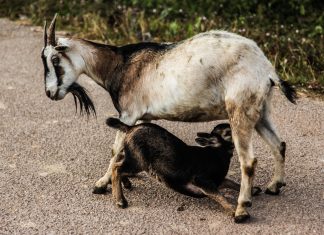
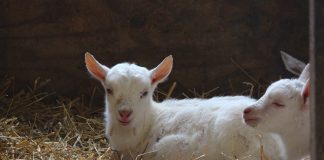
Kinder goats — A small breed for milk and meat
By Kathleen Sanderson
Issue #95 • September/October, 2005
I have had dairy goats for most of the last 20 years or so and have raised almost...


Fruit Trees
<!--
Fruit trees
By Alice B. Yeager
Photos by James O. Yeager
-->By Alice B. Yeager
Fall winds down with the ripening of a Japanese
persimmon known as the Fuyugaki...
Your Manure Pile — For Fuel, Fertilizer, and Maybe Even Improved Water Quality, You...
By Rev. J.D. Hooker
Issue #87 • May/June, 2004
It's been well over a decade now since I first heard my friend Pete voice his amazement...
Love Those Green Beans
By Alice B. Yeager
Issue #68 • March/April, 2001
Anyone with some gardening space, a sunny location, and good loamy soil with pH 6.0-7.5 can grow...
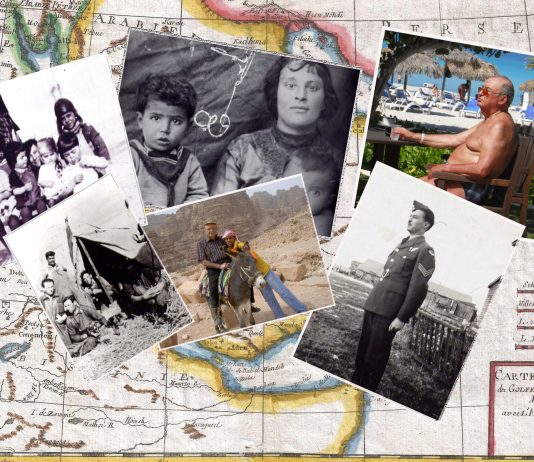
Habeeb Salloum, 95, a poet, world traveler, linguist, and author of recipe books on Middle Eastern cuisine, has written recipe articles for Backwoods Home Magazine for 19 years. The son of Syrian immigrant farmers, he lives in a small town near Toronto, Canada.
By Habeeb Salloum
Website Exclusive • August, 2019
In...
By O. E. MacDougal
Issue #154 • July/August, 2015
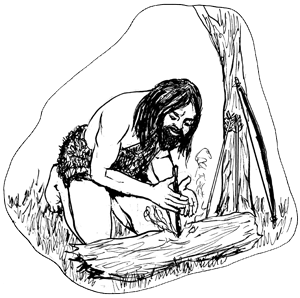
There was a time when it was thought that a defining difference between humans and animals was: we use tools, they don't. But, in the last few decades, it's been discovered that many animals are tool users.
Before we go further, let's define...

By the President of the United States of America:
A PROCLAMATIONWhereas on the 22nd day of September, A.D. 1862, a proclamation was issued by the President of the United States, containing, among other things, the following, to wit:
"That on the 1st day of January, A.D. 1863, all persons held as...