
Page Not Found
Sorry! The page you were looking for is no longer available or the link has expired. If you were looking for a specific product, you can search our store.
While you’re here, take a look through some of our great articles!
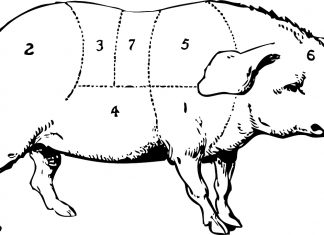
Slaughtering and Butchering
By Dynah Geissal
Issue #23 • September/October, 1993
Fall is butchering time, a period of joy in the harvest of the year's work and of sadness...



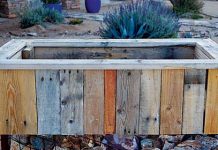
Three Raised Bed Designs
By Joe Mooney
Issue #150 • November/December, 2014
When it comes to gardening, almost anything can be used to create a raised bed. Tires, blocks, rocks,...
An Introduction to Small-Scale Home Hydroponics
By Ben Richards
Issue #154 • July/August, 2015
As most people are already aware, hydroponics is the practice of growing plants without soil. This is done...
A Child’s Garden — More than Child’s Play
By Jackie Clay
Issue #69 • May/June, 2001
There are many things parents can give their children, other than plastic toys or a few bucks to...

Habeeb Salloum, 95, a poet, world traveler, linguist, and author of recipe books on Middle Eastern cuisine, has written recipe articles for Backwoods Home Magazine for 19 years. The son of Syrian immigrant farmers, he lives in a small town near Toronto, Canada.
By Habeeb Salloum
Website Exclusive • August, 2019
In...
By John Graesch
Issue #64 • July/August, 2000
Sixty five years ago I was living in that part of Seattle, Washington, known as South Park. Few places had as much natural beauty as "The Park" as we knew it. Beautiful lawns and tall shady trees, fruit trees that grew out over...
By O.E. MacDougal
November/December 2016, Backwoods Home
I could spend all day coming up with interesting trivia about the Presidents and those who surround them — wives, children, assassins, etc. I could literally fill this magazine with those facts.
The Tallest and Shortest
Let’s start with some common ones. Most school children can...