
Page Not Found
Sorry! The page you were looking for is no longer available or the link has expired. If you were looking for a specific product, you can search our store.
While you’re here, take a look through some of our great articles!
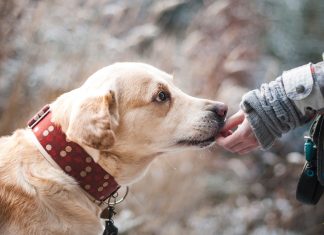
Finding the best dog for the country life
By Anita Evangelista
Issue #63 • May/June, 2000
When you're looking for a dog to fit into your country life, there are few other topics as...





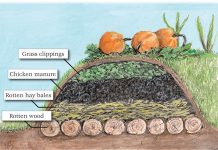
Hügelkultur for the Homestead
By Rose Shelton
Issue #176 • April/May/June, 2019
Last spring, I finally completed a long-planned homestead project of constructing two hügelkultur beds. What is hügelkultur? It’s...
Garden Seeds — A Great Winter Pastime
By Jackie Clay
Issue #67 • January/February, 2001
Start your garden this year while the snow is still on the ground. I start all of my...
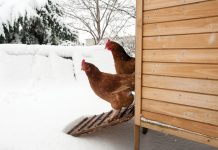
Caring for your chickens in winter
By Jackie Clay-Atkinson
As winter approaches, we all are thinking of ways to make our livestock and poultry as comfortable as possible when the cold...

By Martin Waterman
Issue #37 • January/February, 1996
I can remember taking a trip as a child and seeing my first Burma Shave signs. Technically speaking, after 1963 all the 7,000 or so sets of signs were supposed to have been taken down. Still, my discovery may not have been unusual,...
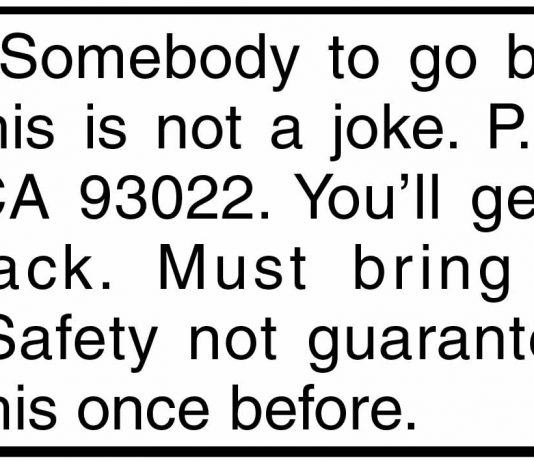
By John Silveira
Issue #125 • September/October, 2010
It's become a minor Internet phenomenon. The ad reads:
It's also been read by Jay Leno on his late night TV show, on National Public Radio more than once (including Car Talk), on craigslist.org (sans the P.O. box), it's been printed on T-shirts, discussed...

By John Silveira
Issue #29 • September/October, 1994
(This is a four-part series. Click the links to navigate to parts one, two, three, and four.)
It was the best of times, it was the worst of times...wait a minute, it was the worst of times. I was getting ready to head for...