


Seven tactics for planning next year’s garden
By Kristina Seleshanko
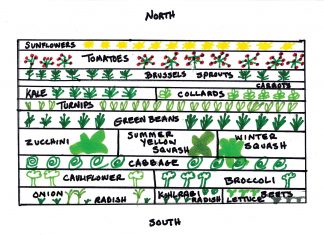
There are few things I enjoy more than snuggling up next to the woodstove with a cup of coffee and my garden planning notebook. Although winter might feel like a time to...
Build an Old-Fashioned Hotbed and Start Your Seeds in Style
By Roy Martin
Issue #104 • March/April, 2007
A hotbed is a miniature greenhouse that is heated to protect new seedlings from cold. The hotbed differs from a cold frame in that it has an internal...
Growing the Eternal Tomato
By Leonard Trebor
Issue #57 • May/June, 1999
It's an old story to longtime gardeners (and a new story to novices): each spring you buy some superb tomato plants, set them out on May 1 (or...
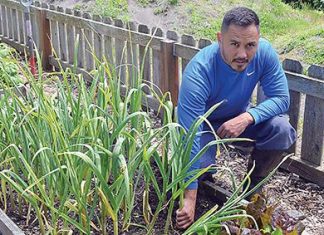
How to Grow Garlic
By Melissa Souza
Issue #167 • September/October, 2017
Garlic is easy and rewarding to grow. I use it throughout the year, as it is extremely easy to store. Garlic is one of the most commonly used...
An Introduction to Small-Scale Home Hydroponics
By Ben Richards
Issue #154 • July/August, 2015
As most people are already aware, hydroponics is the practice of growing plants without soil. This is done by using a water-based nutrient solution to deliver the necessary...
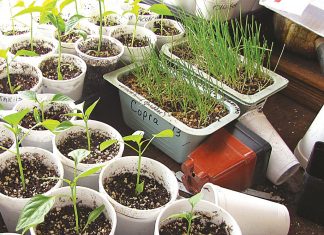
Growing and Using Peppers
By Jackie Clay-Atkinson
Issue #164 • March/April, 2017
I’ve been growing peppers for more than 50 years now and can’t imagine a garden without them. There are so many different varieties that no matter where you...
Cheaper than Store-Bought Eggs
By Kristina Seleshanko
Issue #177 • July/August/September, 2019
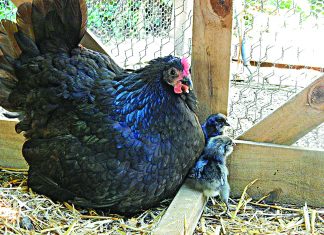
Something we heard a lot when we first started raising chickens in the suburbs was, “For the cost of raising those birds, you could buy an awful lot...
Propagating Grapes
By Sylvia Gist
Issue #107 • September/October, 2007
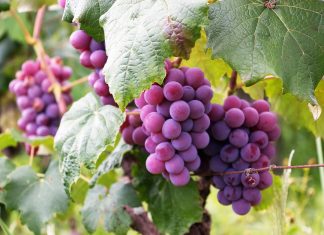
As a kid in western South Dakota, I enjoyed picking wild grapes and using the delightful juice they produced, so when I eventually acquired property in Montana, I...
The $1 Garden
By Jonathan Nunan
Issue #122 • March/April, 2010
The dollar garden is simple in concept: buy as many seeds as you can for one dollar and harvest as much food as possible from the plants you...
Growing Potatoes in Straw
By Habeeb Salloum
Issue #100 • July/August, 2006
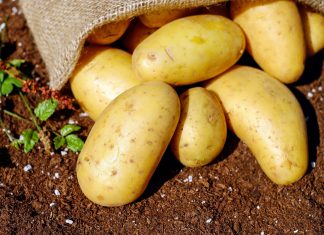
Virtually unknown to people in other parts of the world, the inhabitants in the Northern European countries have for hundreds of years grown potatoes above ground in straw...
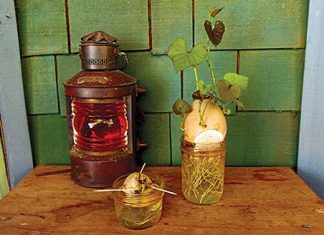
Sweet Potato Greens
By Tim Scullen
Issue #168 • November/December, 2017
By now, you’ve no doubt figured out how good chard, spinach, and kale are for you. But did you know that sweet potato leaves are loaded with vitamins...

Swiss Chard — The Leaf Vegetable That Keeps on Giving!
By Raymond Nones
Issue #92 • March/April, 2005
For years every spring I planted spinach in my garden. For those who have never tasted home grown spinach, there is a world of difference between its taste...
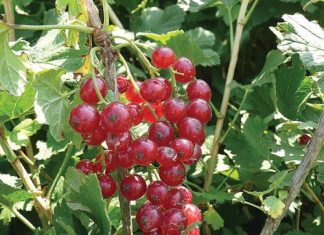
Currants and Gooseberries
By Sylvia Gist
Issue #155 • September/October, 2015
Currants and gooseberries all belong to the genus Ribes (pronounced "rye-bees"). There are varieties of currants and gooseberries native to Europe and North America, along with some developed...
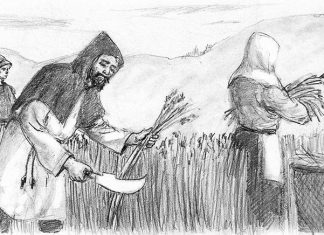
By Hook or Crook: A Billhook is a Handy Homestead Tool
By R.E. Rawlinson
Issue #173 • September/October, 2018
When compared to our ancestors, we are very lucky to have readily-available tools. Stores are full of anything you could need and with online shopping, you don’t even...
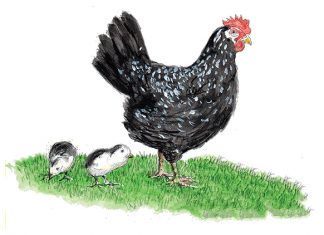
Home-Grown Eggs
By Allen Easterly
Issue #165 • May/June, 2017
Maybe you’ve thought about keeping a few chickens for their eggs but didn’t want to be awakened at 4:00 AM by a rooster singing “cock-a-doodle-doo.” At this time...
Rotten Luck: The Skinny on Composting
By Patrice Lewis
Issue #141 • May/June, 2013
For much of human history, people have tried to prevent things from rotting. Literally every food preservation method we've come up with in the past few thousand years...